Palo Alto Networks Builds AI-Native Security Empire with Koi and CyberArk Acquisitions
Palo Alto Networks acquires Koi and CyberArk to create a comprehensive AI-native security platform. The race to defend against AI-powered attacks is accelerating—and traditional cybersecurity vendors face an extinction-level threat.
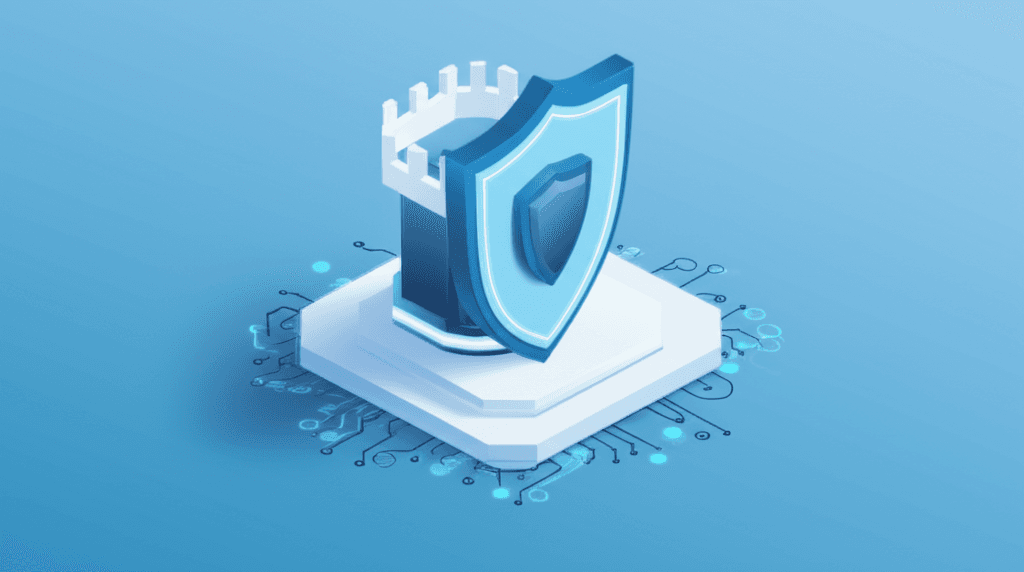
Palo Alto Networks just made two strategic acquisitions that signal where enterprise security is headed: AI-native from the ground up. The cybersecurity giant acquired Koi, an AI-native endpoint security startup, and CyberArk, a leading identity security firm, in back-to-back deals designed to build what the company calls an "all-encompassing security platform."
This isn't about incremental improvements to legacy security tools. It's about survival.
The AI Security Arms Race Has Begun
Traditional signature-based security is dead in the age of AI-powered attacks. Threat actors are already using AI to generate polymorphic malware, automate social engineering at scale, and probe networks with adaptive tactics that evade rule-based defenses.
Koi brings AI-native endpoint protection—security that doesn't rely on known threat signatures but instead uses machine learning to detect anomalous behavior in real time. CyberArk adds identity security, the critical layer that determines who (or what AI agent) has access to what systems.
Together, they form the foundation of what Palo Alto Networks is betting will be the security architecture for the AI era: behavioral detection + zero-trust identity + continuous authentication.

Why Koi Matters: Endpoints Are the New Perimeter
In a world where AI agents operate autonomously, the concept of a network perimeter is obsolete. Every endpoint—laptop, server, IoT device, AI agent runtime—is a potential entry point.
Koi's platform assumes breach and focuses on containment and response. Instead of trying to block every possible attack vector (impossible), it monitors endpoint behavior and kills processes that exhibit malicious patterns. When an AI model starts exfiltrating training data or an LLM agent attempts unauthorized API calls, Koi's system flags it within milliseconds.
This approach is critical for companies deploying AI agents. If your autonomous sales agent gets compromised, you need to know immediately—not after it's sent your entire CRM database to a command-and-control server.
CyberArk: Identity Is the New Firewall
The CyberArk acquisition is equally strategic. As enterprises adopt AI agents, the number of non-human identities explodes. Every AI agent, API integration, and automated workflow needs credentials, permissions, and audit trails.
CyberArk specializes in privileged access management (PAM)—controlling who (human or machine) can access sensitive systems. In an AI-driven enterprise, you might have:
- Hundreds of AI agents with varying permission levels
- LLM-powered chatbots that need read access to customer data
- Automation workflows that require write access to financial systems
Without robust identity security, one compromised API key can cascade into a full breach. CyberArk's platform provides:
- Credential vaulting — Store and rotate API keys automatically
- Just-in-time access — Grant permissions only when needed, revoke immediately after
- Session recording — Audit every action taken by privileged accounts (including AI agents)
What This Means for the Security Market
Palo Alto Networks isn't alone in this consolidation strategy. The security industry is undergoing a platform war:
- CrowdStrike acquired AI threat intelligence firms to enhance detection
- Microsoft is integrating AI-powered security across Azure, Defender, and Sentinel
- Wiz raised billions to build cloud-native security from scratch
The message is clear: point solutions are dead. Enterprises don't want 15 different security vendors. They want a single platform that can defend against AI-powered attacks with AI-powered defenses.
Companies still selling signature-based antivirus or static firewall rules are facing extinction. The new table stakes:
- AI-native threat detection (behavioral, not signature-based)
- Identity-first security (assume zero trust)
- Cloud and endpoint convergence (no perimeter)
- Automation and orchestration (security teams can't manually triage AI-scale attacks)
What This Means For Your Business
If you're deploying AI systems, here's what you need to think about:
-
Endpoint security for AI runtimes: Are your model inference servers monitored for anomalous behavior? Can you detect if an AI agent starts accessing unauthorized data?
-
Identity management for non-human actors: Do you have a process for issuing, rotating, and revoking API keys for AI agents? Are permissions scoped to least-privilege?
-
Audit and compliance: Can you produce a log of every action taken by an autonomous AI agent? Regulators will ask.
You don't necessarily need Palo Alto's full stack. But you do need answers to these questions. Traditional perimeter security doesn't cut it when your AI agents are making API calls to third-party services 24/7.
Looking Ahead: The Security Platform Wars Heat Up
Expect more consolidation in 2026. Security vendors that can't offer AI-native detection, identity management, and cloud-native architecture will either get acquired or disappear.
For enterprises, this means:
- Evaluate platforms, not point solutions — Can your security stack handle AI workloads?
- Prioritize identity security — The more AI agents you deploy, the more critical this becomes
- Assume breach — Focus on detection and response, not just prevention
Palo Alto Networks just made its bet. The question is: what's your security strategy for the AI era?
Build Secure AI Systems That Actually Work
At AI Agents Plus, we help companies build production-grade AI systems with security baked in from day one. Whether you need:
- Custom AI Agents — Autonomous systems with proper access controls and audit trails
- AI Security Assessments — Identify vulnerabilities in your AI deployment before attackers do
- Voice AI Solutions — Conversational interfaces designed with authentication and data privacy in mind
We've built AI systems for startups and enterprises across Africa and beyond—systems that pass security audits and deliver real ROI.
Ready to deploy AI securely? Let's talk →
About AI Agents Plus Editorial
AI automation expert and thought leader in business transformation through artificial intelligence.