Anthropic's Claude Sonnet 4.6: The AI That Actually Uses Your Computer
Anthropic just released Claude Sonnet 4.6 with dramatically improved computer automation capabilities. The new model can navigate spreadsheets, fill out forms, and interact with software interfaces — bringing us closer to AI agents that actually do the work.
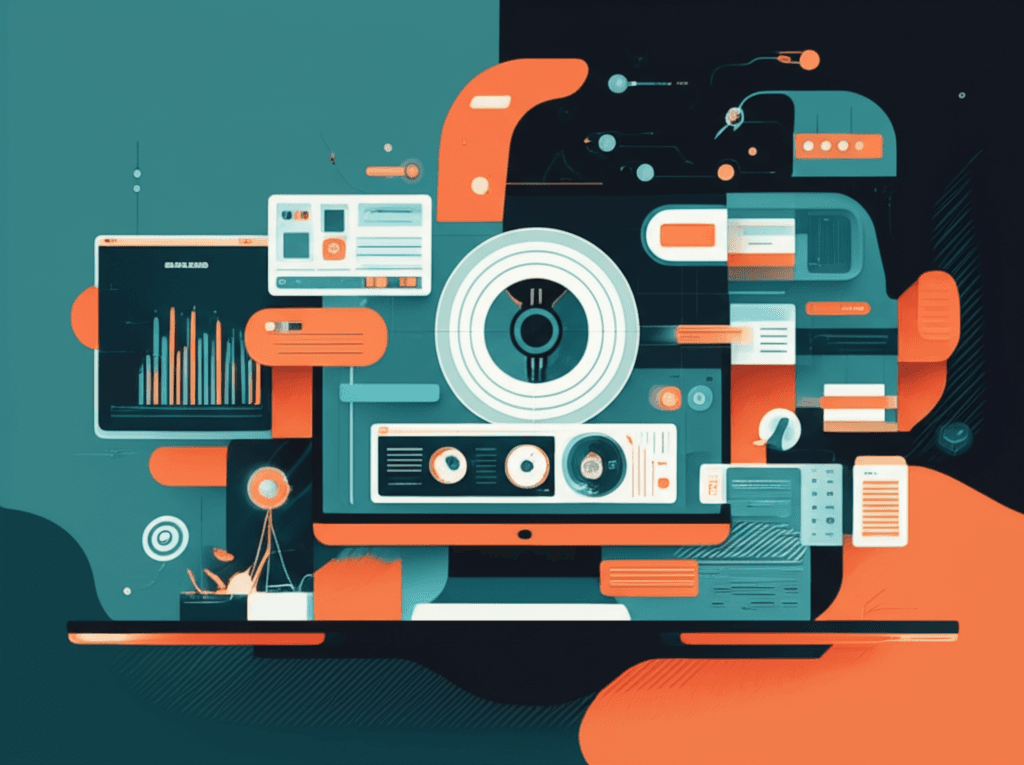
Anthropic dropped Claude Sonnet 4.6 this week, and the headline feature isn't another benchmark win — it's the model's ability to actually use computers like a human would. We're talking cursor control, form filling, spreadsheet navigation, and app interaction at near-Opus level intelligence.
This matters because computer use has been the missing link in AI automation. You can have the smartest chatbot in the world, but if it can't click buttons or fill in fields, its practical utility hits a ceiling fast.
What's New in Sonnet 4.6
According to Anthropic, Sonnet 4.6 "approaches Opus-level intelligence" specifically for tasks requiring computer interaction. The model can:
- Navigate complex spreadsheet interfaces
- Fill out multi-step web forms
- Interact with desktop and web applications
- Execute tasks that require visual understanding of UI elements
- Chain together actions across multiple applications
The model is now the default for both free and Pro Claude users, replacing the previous Sonnet 4.5. That's a significant upgrade at no additional cost for existing users.
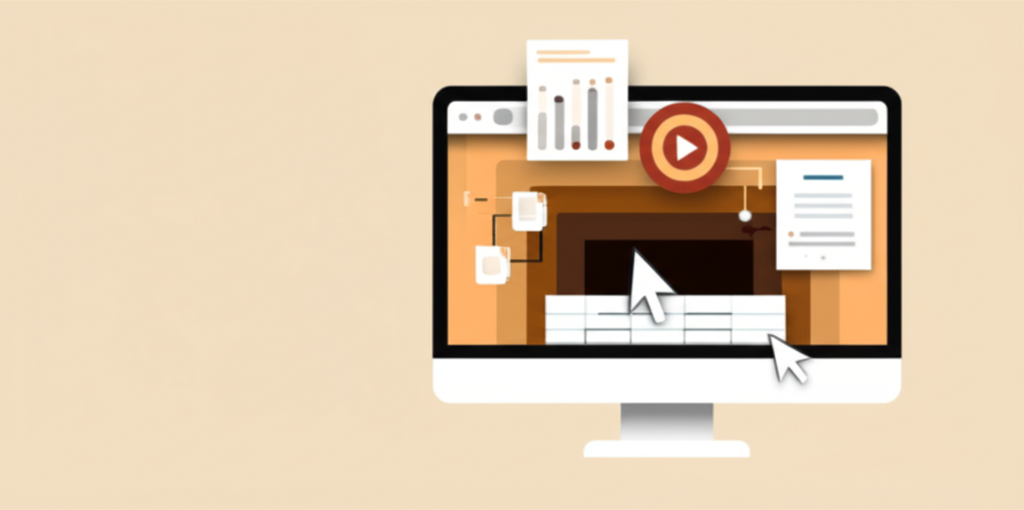
Why Computer Use Is The Real Breakthrough
Most AI demos focus on text generation or code writing. Those are table stakes now. The harder problem — and the one that unlocks exponentially more value — is getting AI to interact with existing software ecosystems.
Think about what this enables:
- An AI that can actually log into your CRM and update customer records
- Automated data entry across legacy systems without API access
- Digital assistants that can book travel, manage calendars, and handle admin tasks end-to-end
- Quality assurance agents that can test web applications by actually using them
This isn't about replacing developers. It's about automating the tedious operational work that consumes hours of knowledge worker time.
The Technical Leap
Computer use requires multiple capabilities working together:
- Visual understanding — The model needs to parse UI elements, understand layouts, and identify interactive components
- Spatial reasoning — Knowing where to click, how to navigate nested menus, and when to scroll
- State management — Tracking multi-step workflows and recovering from errors
- Action execution — Translating intent into precise mouse movements and keyboard inputs
Anthropic has been building toward this since introducing computer use in earlier Claude versions. But Sonnet 4.6 represents a major quality jump — bringing near-flagship intelligence to a model fast and affordable enough for production use.
What This Means For Your Business
If you're building AI products or evaluating AI solutions, computer use changes the equation:
-
If you're building AI agents: You can now target workflows that span multiple applications without building custom integrations for each tool. Your agent can interact with software the same way a human would.
-
If you're buying AI solutions: Look for vendors leveraging computer use capabilities. The difference between an AI that generates suggestions and one that actually executes tasks is the difference between a chatbot and a digital employee.
-
If you're evaluating AI strategy: Computer use capability should be on your requirements list. It's the bridge between AI experimentation and AI that delivers measurable ROI through labor automation.
The Anthropic Advantage
Anthropic is making an interesting bet here. While OpenAI focuses on reasoning models and Google pushes multimodal capabilities, Anthropic is doubling down on computer automation and AI agents.
The company's AI agents framework positions Claude as the intelligence layer for autonomous systems. Computer use is a force multiplier for that vision — agents that can not only think through problems but also interact with the tools needed to solve them.
Looking Ahead
We're entering a new phase of AI deployment where the bottleneck isn't model intelligence — it's integration and execution. Computer use addresses both.
Expect to see:
- More businesses deploying Claude for operational automation tasks previously requiring human intervention
- Startups building agent platforms specifically around computer use capabilities
- Increased demand for "AI-ready" software interfaces designed with agent interaction in mind
- Competition heating up as OpenAI and Google respond with their own computer automation features
The real test will be reliability. Computer use at 80% accuracy is a demo. At 95%+ it's a product. Anthropic claims Sonnet 4.6 hits that threshold for many tasks.
Time to test it.
Build AI Agents That Actually Work
At AI Agents Plus, we specialize in building autonomous AI systems that go beyond chatbots to deliver real operational value. Whether you need:
- Custom AI Agents — Autonomous systems that handle complex workflows across multiple tools and platforms
- Computer Automation Solutions — AI that interacts with your existing software ecosystem without costly integrations
- Rapid AI Prototyping — Go from concept to working demo in days using the latest models and frameworks
We've built production AI systems for businesses across Kenya, Africa, and globally.
Ready to explore what AI agents can do for your operations? Let's talk →
About AI Agents Plus Editorial
AI automation expert and thought leader in business transformation through artificial intelligence.