Samsung's New Bixby: The AI Assistant Nobody Asked For Gets Smarter
Samsung launches a redesigned Bixby AI assistant in beta, years after rivals dominated the space. While consumers moved on, Samsung's enterprise presence means this upgrade matters more than it seems--especially for businesses already locked into Galaxy devices.
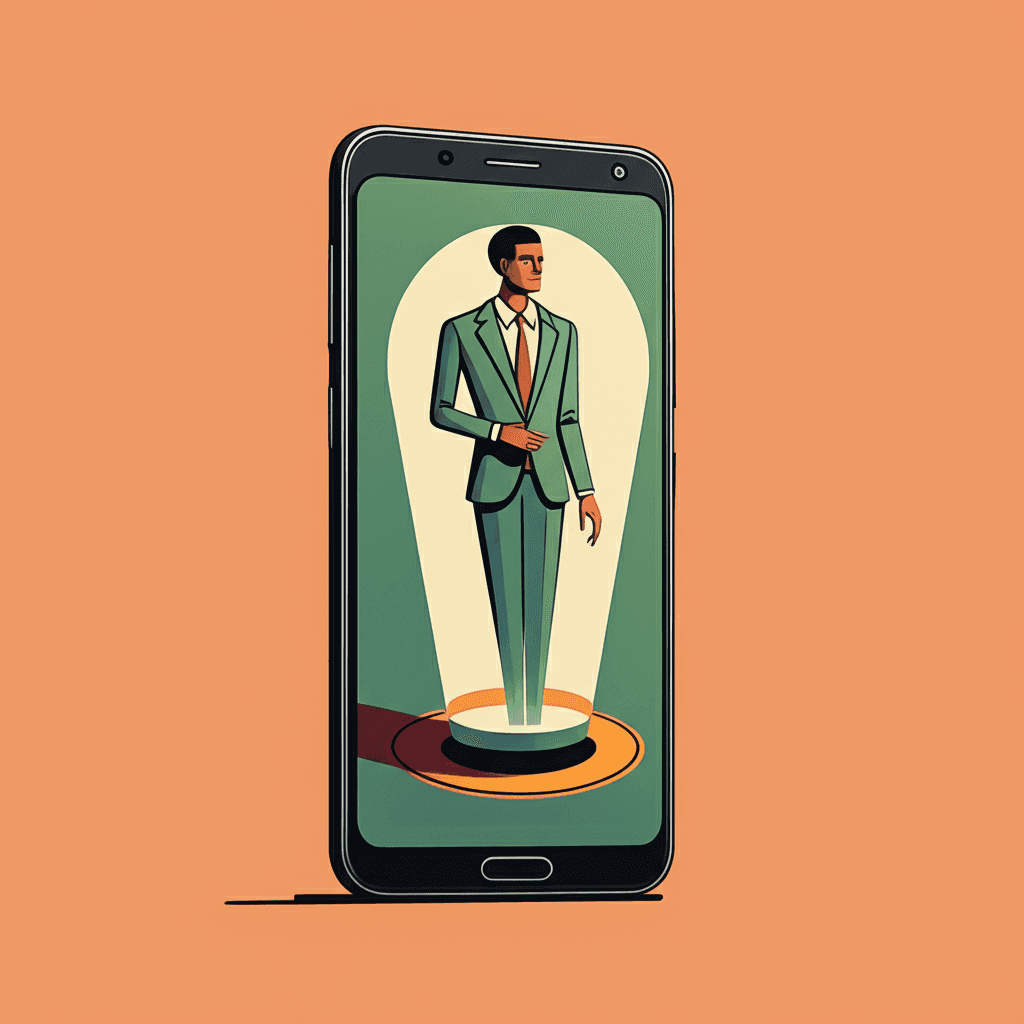
Samsung just launched a new version of Bixby in beta, and if your reaction is "wait, Bixby still exists?"--you're not alone. While Google Assistant, Alexa, and Siri have been battling for consumer mindshare, Samsung has been quietly keeping Bixby alive for one specific reason: enterprise lock-in.
The new Bixby, announced February 20th, comes with enhanced AI capabilities powered by Samsung's latest language models. It's smarter, faster, and actually useful. The problem? It's arriving years after everyone else already picked their AI assistant.
Why Samsung Is Still Betting on Bixby
Samsung's consumer strategy for Bixby failed. Consumers don't want another voice assistant--they want the one that works everywhere. But Samsung isn't building Bixby for consumers anymore. They're building it for the millions of businesses that standardized on Galaxy devices.
Here's what Samsung understands that most tech coverage misses: enterprise IT moves slowly. Once you've deployed 10,000 Galaxy phones with Knox security management, switching ecosystems is expensive and risky. Samsung knows this. Bixby isn't competing for your personal phone anymore--it's competing to be the AI layer across Samsung's enterprise hardware stack.
What's Actually New
The beta release brings several meaningful upgrades:
- On-device processing: More AI tasks run locally, reducing latency and improving privacy--critical for regulated industries
- Knox integration: Bixby can now trigger Samsung's enterprise security features via voice, enabling hands-free device management
- Multi-language improvements: Better support for non-English languages, particularly important for global enterprise deployments
- Custom command chains: IT administrators can create organization-specific Bixby routines
These aren't consumer features. They're enterprise features dressed up as consumer AI improvements.
The Real Competition Isn't Google or Amazon
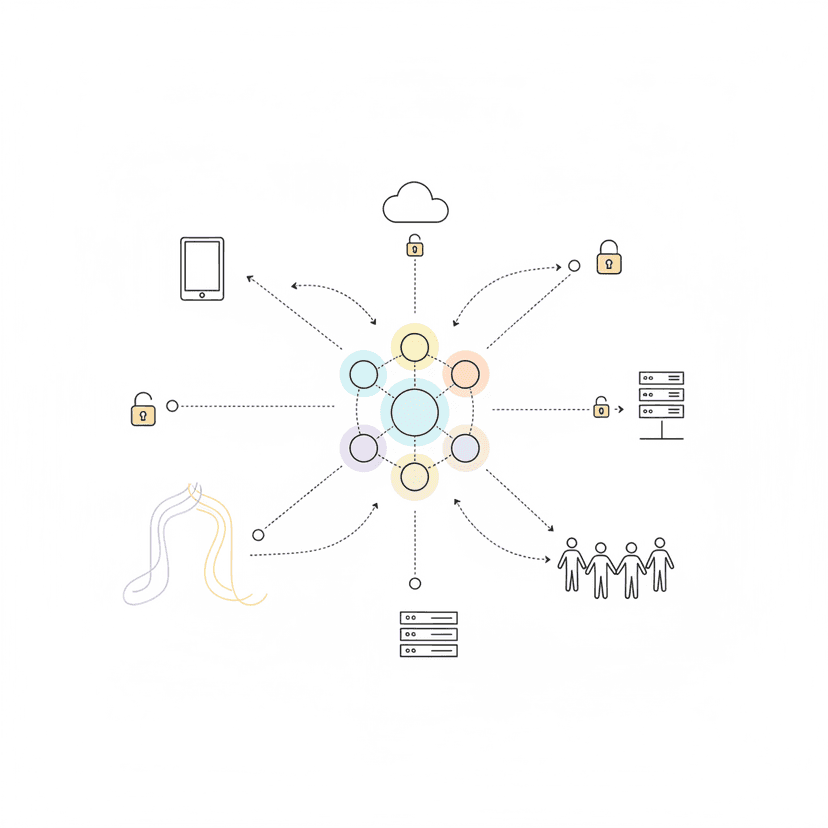
Consumer tech coverage will frame this as Samsung vs Google Assistant vs Alexa. That's the wrong lens. The real competition is Samsung vs platform-agnostic AI agent frameworks.
Businesses are increasingly building custom AI workflows using tools like LangChain, CrewAI, or Claude--systems that work across any device. Samsung's bet is that tight hardware integration and security compliance will trump platform flexibility.
They might be right for certain verticals:
- Healthcare: HIPAA compliance, on-device processing, integration with medical device management
- Manufacturing: Rugged Galaxy devices with AI-powered inventory and quality control workflows
- Field services: Voice-controlled work order updates, hands-free in challenging environments
- Retail: Point-of-sale integration with Samsung hardware
What This Means For Your Business
If you're already using Samsung devices across your organization, the new Bixby upgrade creates a decision point:
Option 1: Invest in Bixby-native workflows
- Pros: Deep hardware integration, Knox security, potentially lower latency
- Cons: Vendor lock-in, limited ecosystem, uncertain long-term support
Option 2: Ignore Bixby and build platform-agnostic AI
- Pros: Flexibility, access to best-in-class models, easier migration
- Cons: More complex security architecture, less hardware optimization
For most businesses, the answer isn't binary. Use Bixby for device-level tasks (unlocking, navigation, basic queries) and build your critical AI workflows on platform-agnostic infrastructure.
The Timing Problem
Samsung's timing is awkward. They're launching an AI assistant upgrade the same week that:
- OpenAI started showing ads in ChatGPT, proving that AI interfaces are monetization platforms, not just utilities
- Google released Gemini 3.1 Pro with "Opus-level intelligence," demonstrating how fast model capabilities are advancing
- Enterprise buyers are questioning whether dedicated AI assistants matter when LLMs can handle any task via API
Bixby's upgrade is solid--but it's solving 2023's problems with 2024 technology in 2026.
Looking Ahead
Samsung will reveal more about the new Bixby at Mobile World Congress in March. The real question isn't whether Bixby is good enough--it probably is. The question is whether device-specific AI assistants have a future in an era when businesses want unified AI infrastructure that works everywhere.
For Samsung, Bixby is a defensive play: keep enterprise customers locked in while the broader AI landscape sorts itself out. For businesses using Galaxy devices, it's a calculated bet on whether Samsung's ecosystem will remain competitive as AI capabilities commoditize.
Build AI That Works Across Your Entire Stack
At AI Agents Plus, we help businesses build AI systems that work across any device, any platform, any model. Whether you're standardized on Samsung, Apple, or a mix of everything, we architect solutions that:
- Integrate with your existing tools -- AI that enhances your current workflows, not replaces them
- Scale with your business -- From proof-of-concept to production, we build systems that grow
- Stay vendor-neutral -- No lock-in to any single platform or provider
Ready to explore AI automation that works everywhere? Let's talk →
About AI Agents Plus Editorial
AI automation expert and thought leader in business transformation through artificial intelligence.