
Google NotebookLM Now Generates Cinematic Videos From Your Research Documents
Google's NotebookLM just launched an AI-powered video generation tool that turns research documents into cinematic video overviews — a direct challenge to the wave of AI video creation startups.

Google just made a significant move in the AI video generation space. NotebookLM, the company's research-focused AI tool, can now generate cinematic video overviews from your documents — moving far beyond the static slides and text summaries it offered before.
This isn't a minor feature update. It's Google flexing its muscle in a market that startups like Runway, Pika, and Synthesia have been carving out over the past two years.
What's New in NotebookLM
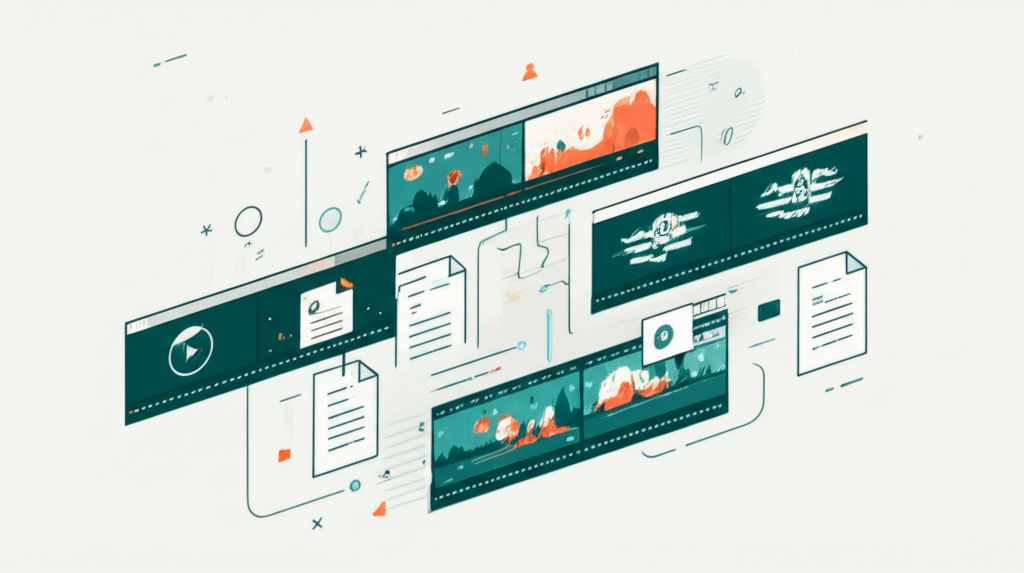
NotebookLM's new video generation feature transforms uploaded research documents, PDFs, and notes into polished video overviews. The system:
- Analyzes document content and structure
- Generates visual sequences that match key concepts
- Creates transitions and pacing for narrative flow
- Outputs production-quality video files ready for presentations
The tool is designed for researchers, educators, and business professionals who need to communicate complex information visually — without hiring a video production team or learning editing software.
Why This Matters Right Now
The AI video generation market has been on fire. Runway raised $141M at a $1.5B valuation. Pika launched to massive demand. Synthesia is processing millions of enterprise video requests monthly.
Google's entry changes the competitive landscape:
For AI video startups: Google brings distribution (millions of existing NotebookLM users), brand trust, and integration with Google Workspace. That's a tough combination to compete against.
For content creators: This democratizes professional-looking video production. What used to require Adobe Premiere skills and hours of editing now takes minutes.
For enterprises: Video is the dominant format for internal communications, training, and marketing. Automating production at document scale is a genuine productivity unlock.
The Technical Angle: More Than Just Image Generation
This isn't simply stitching together AI-generated images. NotebookLM's video generation appears to involve:
- Document understanding — Extracting narrative structure, not just keywords
- Visual sequencing — Determining which concepts need visual emphasis and in what order
- Temporal coherence — Maintaining visual consistency across frames (the hardest problem in AI video)
- Narrative pacing — Matching video rhythm to content complexity
Google likely leveraged its existing video generation research (Lumiere, Phenaki, VideoPoet) and combined it with NotebookLM's document comprehension models. The result is a system that understands both what your document says and how to visualize it.
This multi-modal AI orchestration — text understanding → concept extraction → visual generation → temporal assembly — is where the real technical achievement lies.
What This Means For Your Business
If you're building AI products: Watch how Google bundles capabilities. They didn't build a standalone video tool — they added video generation to an existing product that already has user traction. That's a lesson in feature leverage vs building from scratch.
If you're buying AI solutions: Don't assume AI video startups have a moat just because they shipped first. Incumbents with distribution and integrated ecosystems can move fast. Evaluate vendor stability and integration depth, not just feature novelty.
If you're evaluating AI strategy: Consider which content formats consume the most time in your organization. If video production is a bottleneck (training materials, client presentations, internal comms), tools like this can deliver measurable ROI quickly.
The Competitive Implications
Google's move puts pressure on AI video startups to differentiate:
- Runway focuses on creative professionals with advanced editing controls
- Synthesia targets enterprise video at scale with avatar-based personalization
- Pika emphasizes creative flexibility and community-driven features
NotebookLM's approach is different: it's about utility video — the kind of video you need for work, not art. That's a massive market that most AI video startups haven't fully addressed.
For businesses using AI video tools, this creates a clear choice: specialized creative tools for marketing and brand content, or integrated utility tools for operational video production.
Looking Ahead
Expect Google to push this capability across more products. Imagine:
- Google Docs with inline video generation from document sections
- Google Slides auto-generating video presentations
- Gmail creating video summaries of long email threads
- Google Classroom turning lesson plans into instructional videos
The infrastructure is already there. The AI models are proven. The distribution is built-in.
The real question isn't if AI video generation becomes commoditized — it's how fast.
For related coverage, see our analysis of how generative AI is reshaping creative workflows and what enterprises need to know about multimodal AI adoption.
Build AI That Works For Your Business
At AI Agents Plus, we help companies move from AI experiments to production systems that deliver real ROI. Whether you need:
- Custom AI Agents — Autonomous systems that handle complex workflows, from customer service to operations
- Rapid AI Prototyping — Go from idea to working demo in days using vibe coding and modern AI frameworks
- Voice AI Solutions — Natural conversational interfaces for your products and services
We've built AI systems for startups and enterprises across Africa and beyond.
Ready to explore what AI can do for your business? Let's talk →
About AI Agents Plus Editorial
AI automation expert and thought leader in business transformation through artificial intelligence.