
Get Google Reviews: Plumber Reputation Management Guide 2025
Generate 30-100+ Google reviews for your plumbing business with automated campaigns. Build 5-star reputation and dominate local search.
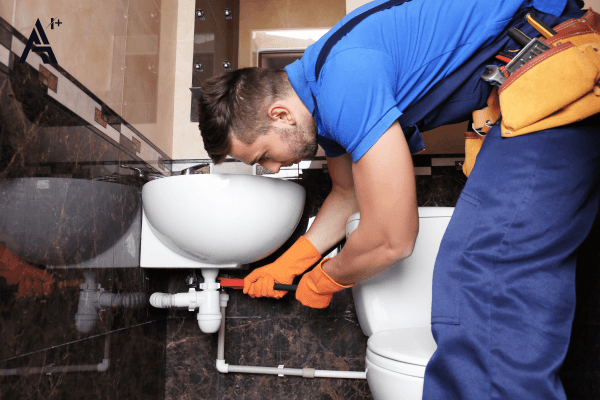
Get Google Reviews: Plumber Reputation Management Guide 2025 In the plumbing industry where emergency decisions are made within minutes and customers frantically search "plumber near me" while water pools on their floors, online reputation determines which companies get called first and which get ignored entirely. Research reveals that 94% of consumers read online reviews before selecting plumbers, with 89% trusting reviews as much as personal recommendations. More critically, plumbing companies with 4.5+ star ratings and 50+ reviews capture 3-4x more service calls than competitors with fewer reviews or lower ratings—the difference between thriving growth and struggling survival.
Yet most plumbing businesses collect reviews haphazardly, hoping occasional satisfied customers voluntarily share experiences without systematic requests. This passive approach leaves online reputations to chance, allowing single negative reviews to disproportionately damage overall perception while missing opportunities to showcase thousands of successful service calls through authentic customer voices that overcome skepticism no advertising can penetrate.
The highest-performing plumbing companies in 2025 have abandoned hope-based review strategies in favor of automated systems generating 30-100+ Google reviews plumbing companies need to dominate local search results, overcome prospect hesitation about inviting strangers into homes, and convert consultation requests into booked service calls. This comprehensive guide reveals exactly how they're systematically building 5-star reputations that serve as competitive moats protecting market share while attracting premium customers willing to pay for proven quality.
Why Google Reviews Matter More for Plumbers Than Most Industries While online reputation impacts all businesses, several unique factors make reviews disproportionately critical for plumber reputation management success.
High-Stakes Trust Requirements
Plumbing service involves inviting strangers into homes—often during vulnerable moments like emergencies—granting access to entire properties while families are present. This intimacy creates intense trust requirements that online reviews uniquely address. Seeing 75+ positive testimonials describing professional, respectful technicians who arrived on time, explained work clearly, and cleaned up thoroughly provides the social proof that transforms anxious homeowners into confident customers.
Unlike restaurant reviews where poor experiences cost $50, plumbing mistakes potentially cause thousands in property damage through improper repairs, while emergency callouts at premium rates create heightened scrutiny about value received. This asymmetric risk makes prospects extremely cautious, heavily favoring plumbers with extensive proof of satisfied customers over competitors lacking robust social proof regardless of price advantages.
Local Search Dominance Through Reviews
Google's local search algorithm heavily weights review quantity, recency, and ratings when determining which plumbers appear in the critical "Local 3-Pack"—the three businesses displayed prominently with maps above organic results. Plumbers ranking in this coveted position receive 60-70% of clicks from "plumber near me" searches, while those below fold capture scraps.
Review velocity particularly matters—businesses consistently generating new reviews signal ongoing quality, outranking competitors with higher average ratings but stale year-old testimonials. Systematic review generation isn't just reputation management; it's essential SEO strategy determining local search visibility that drives lead flow.
Decision Speed and Emergency Context
When basement floods or sewage backs up, homeowners don't leisurely compare five plumbers over days. They make snap decisions within 10-15 minutes based largely on Google Business Profile impressions—star ratings and review counts providing instant credibility signals during crisis decision-making. The plumber with 127 reviews at 4.8 stars gets called before competitors showing 23 reviews at 4.9 stars despite slightly higher ratings, because volume creates confidence during rushed evaluation.
The Psychology of Plumber Testimonials Understanding why satisfied customers don't automatically leave reviews despite exceptional service clarifies why systematic review generation automation proves necessary.
The "Expected Service" Paradox
Counterintuitively, customers receiving outstanding service often feel least motivated to leave reviews. When plumbers arrive promptly, fix problems efficiently, charge fair rates, and clean up thoroughly, customers perceive they received exactly what they paid for—not exceptional situations warranting public praise. This "met expectations" psychology means your best service calls generating most customer satisfaction may produce fewest organic reviews.
Conversely, customers experiencing problems—even minor issues promptly resolved—feel stronger motivation to warn others, creating negativity bias where problematic jobs generate disproportionate review volume versus smooth service. Without systematic requests capturing satisfied customer voices, online reputation skews negatively despite overwhelmingly positive actual customer experiences.
The Action-Intention Gap
Many satisfied customers genuinely intend leaving reviews when asked, responding enthusiastically: "Absolutely, your technician was fantastic!" However, intention rarely converts to action without immediate facilitation. Life resumes, the impulse fades, and weeks later these well-meaning customers have completely forgotten their commitments despite sincere initial enthusiasm.
This gap between intention and execution means timing and friction reduction determine review capture success more than service quality levels. The easier you make reviewing and the closer requests occur to peak satisfaction moments, the higher conversion rates achieved.
Technical Intimidation
Many customers, particularly older demographics, find leaving Google reviews technically intimidating: "How do I find your business on Google? Do I need an account? What if I say something wrong?" These perceived barriers—trivial to tech-savvy businesses but substantial to many customers—create abandonment at every step. Direct review links eliminating search requirements and simple instructions addressing common confusion points dramatically improve completion rates.
Building Your Automated Review Request System Consistent review generation requires systematic automation requesting feedback from every customer at optimal moments without manual effort inevitably becoming inconsistent.
Identifying Optimal Request Timing
Customer feedback plumbing businesses should capture peaks during distinct moments throughout service journeys:
Immediately Post-Service (Day 1): For straightforward repairs resolved in single visits, satisfaction peaks immediately after successful completion. Send initial review requests within 2-4 hours while relief from fixed problems remains fresh: "We're glad we could resolve your water heater issue today! Would you mind sharing your experience?"
After Payment Processing (Days 1-2): Once customers process payment and confirm charges match estimates, financial satisfaction combines with problem resolution creating optimal testimonial moments. Timing requests post-payment prevents reviews mentioning "waiting to see final bill" hedging that dilutes enthusiasm.
For Complex Multi-Day Jobs (1 Week Post-Completion): Major projects like bathroom remodels or whole-house repiping need settling periods where customers live with completed work before reviewing. One-week delays allow initial excitement to mature into considered satisfaction while remaining recent enough for detailed recall.
After Warranty Period Begins (30 Days): Secondary review requests targeting customers who didn't respond initially. By 30 days, system reliability proves itself—no callbacks for issues, installations performing as promised—creating second satisfaction peaks: "It's been a month since we upgraded your plumbing and everything's working perfectly!"
Multi-Touch Request Sequences
Single review requests yield 8-12% response rates. Multi-touch sequences improve conversions to 25-35% through strategic persistence without annoyance.
Touch 1 (Immediate - Email): Within hours of service completion, send personalized emails thanking customers and explaining how reviews help other families make confident plumber selections. Include direct Google review link requiring single click to begin writing. Keep tone appreciative rather than demanding: "If you're happy with today's service, we'd be honored if you'd share your experience to help other homeowners in [City]."
Touch 2 (Day 2 - SMS): Text message reminder to non-responders: "Hi [Name], quick follow-up about your recent plumbing service. Your experience would really help other homeowners. Here's the review link: [Direct URL]." SMS achieves 98% open rates versus email's 20-25%, recapturing attention from customers who missed or ignored initial requests.
Touch 3 (Week 1 - Email): Final email to remaining non-responders, framing reviews as community service: "Great plumbers like [Technician Name] rely on reviews from satisfied customers. If you have two minutes, your feedback would make a big difference for other homeowners researching plumbers." This altruistic angle converts customers unmoved by previous requests.
Touch 4 (Month 1 - Phone Call - High-Value Only): For exceptional jobs ($5,000+) or particularly enthusiastic customers, personal phone requests from office staff: "We wanted to personally thank you for choosing us for your bathroom remodel. If you were happy with the results, would you mind leaving a brief review?" Personal touch often converts high-value customers worth extra effort.
Reducing Review Friction
Every step between request and published review reduces completion rates. Optimize processes ruthlessly:
Direct Review Links: Never ask customers to search for your business on Google—this introduces friction where customers use wrong keywords, can't find profiles, or give up frustrated. Instead, provide direct review URLs landing customers immediately on your Google review page with composition screen one tap away.
Mobile Optimization: Since 75% of review requests open on smartphones, ensure entire process completes easily on mobile: large buttons, minimal typing required, simple navigation. Test review flows on actual phones identifying frustrating elements desktop testing misses.
Clear Instructions: Provide step-by-step guidance for less tech-savvy customers: "1. Click the link. 2. Sign in to Google if prompted. 3. Select star rating. 4. Write your experience (optional but appreciated). 5. Click 'Post.'" These simple directions prevent abandonment from confusion.
Thought Prompts: While never writing reviews for customers, provide optional suggestions: "Consider mentioning: technician professionalism, problem resolution speed, fair pricing, or cleanup quality." These prompts help customers unsure what to write while steering toward messages that address common prospect concerns.
Responding to Reviews Strategically Generating reviews represents only half of online reviews plumbing business success—how you respond to feedback determines whether profiles build trust or raise concerns.
Responding to Positive Reviews
Thank every positive reviewer personally and specifically. Generic "Thanks for the review!" responses feel automated and impersonal. Instead, reference specific details customers mentioned: "Thank you, Sarah! We're thrilled [Technician Name] resolved your kitchen sink leak quickly and that you appreciated his careful cleanup. Enjoy your properly functioning plumbing!"
These personalized responses demonstrate genuine appreciation while amplifying key messages from reviews—prospects reading responses absorb repeated positive details. Keep responses concise (2-3 sentences), professional yet warm, and always include customer names when provided.
Handling Negative Reviews
Negative reviews inevitably occur—service delays, communication gaps, pricing disputes, or technical complications creating customer frustration. How you handle criticism impacts reputation more than complaints themselves.
Respond within 24 hours, acknowledging concerns without defensiveness: "We're sorry your water heater installation experienced delays due to unexpected permit processing. We understand your frustration and appreciate your patience." This empathy signals to prospects that you take concerns seriously rather than dismissing customer frustrations.
Offer offline resolution: "We'd like to discuss this directly and make things right. Please contact our customer service manager at [phone/email] so we can address your concerns personally." Moving detailed discussions away from public reviews demonstrates commitment to problem-solving while preventing damaging back-and-forth exchanges.
Follow up after resolution. When issues get resolved, contact customers explaining fixes and politely requesting review updates: "We're glad we could resolve the billing confusion and provide the explanation you needed. If you feel we made things right, we'd appreciate if you'd consider updating your review to reflect the resolution." Many customers will modify reviews or add updates noting satisfactory outcomes.
Flagging Illegitimate Reviews
Occasionally, competitors or disgruntled individuals post fake negative reviews. If reviews clearly come from non-customers—mentioning services you don't offer, describing impossible situations, or containing details proving they're fabricated—flag them through Google's review dispute process.
Document why reviews are fraudulent: show no customer records matching reviewer details, demonstrate impossibility of described situations, or prove reviewers posted identical content about multiple businesses. While Google rarely removes reviews, legitimate disputes sometimes succeed, particularly for obvious fakes.
Leveraging Reviews Beyond Google While Google reviews provide most visibility, maximize testimonial value through multi-platform distribution and strategic deployment.
Featuring Reviews on Your Website
Showcase standout customer testimonials throughout your website: homepage, service pages, and booking forms. Choose reviews addressing common objections or highlighting differentiators: emergency response speed, fair pricing, respectful technicians, or thorough problem diagnosis.
Include reviewer names, locations, and photos when permitted. Attribution increases credibility—anonymous testimonials feel potentially fabricated while named customers with faces prove authenticity.
Implement review widgets displaying recent Google reviews dynamically. These live feeds show prospects your reputation grows continuously rather than featuring static three-year-old testimonials feeling outdated.
Social Media Amplification
Share positive reviews on Facebook, Instagram, and LinkedIn, tagging customers who provided permission. These shares extend review reach beyond prospects actively searching while thanking customers publicly in ways strengthening relationships and encouraging additional referrals.
Create graphic testimonials: design attractive image quotes from particularly compelling reviews, optimized for social sharing. Visual testimonials often perform better than raw review text, achieving higher engagement while showcasing professionalism through quality design.
Include rotating customer testimonials in email signatures, newsletter content, and follow-up campaigns. Prospects evaluating your services encounter multiple reinforcing testimonials, building confidence through repeated social proof exposure.
Proposal and Estimate Materials
Embed reviews directly in written estimates and service proposals. When prospects review pricing, they simultaneously see satisfied customer experiences, leveraging social proof at critical decision moments. Choose testimonials demographically similar to prospects when possible—homeowners relate to homeowner reviews, commercial clients to business testimonials.
Service Vehicle Graphics
Feature star ratings and review counts on service vehicles: "4.8 Stars • 184 Google Reviews." Mobile advertising showcasing stellar reputation influences prospects seeing trucks in neighborhoods, generating brand awareness and credibility simultaneously.
Measuring Review Generation Success Track critical metrics revealing review program effectiveness and improvement opportunities.
Review Volume Metrics: Monitor monthly new review counts, targeting consistent generation reflecting service volume. Healthy programs generate reviews from 25-35% of completed jobs through systematic requests.
Average Rating Trends: Track overall star rating monthly. While perfect 5.0 ratings seem ideal, slight imperfection (4.7-4.9) actually builds more credibility—perfect scores sometimes feel suspicious. Focus on maintaining ratings above 4.5 while addressing issues causing lower ratings.
Review Recency: Google's algorithm favors businesses with recent reviews. Aim for multiple new reviews weekly showing sustained excellence versus burst periods followed by gaps suggesting inconsistent quality.
Response Rate and Time: Measure what percentage of reviews receive responses and average response time. Target 100% response rates within 24-48 hours, demonstrating consistent engagement that prospects evaluating profiles notice and appreciate.
Conversion Impact: Track service inquiry-to-booking conversion rates for prospects mentioning reviews during sales conversations. Compare close rates for high-review-count periods versus low-review periods, quantifying review impact on bottom-line revenue.
Review Source Attribution: Monitor which customer segments provide most reviews—emergency calls, planned projects, residential versus commercial. This intelligence guides where to invest additional review capture efforts for maximum return.
Advanced Reputation Building Contractors Strategies Once foundational review generation operates consistently, these advanced tactics further strengthen online reputations.
Video Testimonials
Request video testimonials from particularly enthusiastic customers, offering to handle filming and editing professionally. Video testimonials convey authenticity impossible in text while showcasing actual customers and completed work proving service quality.
Post videos on YouTube, embed on website, and share across social media. YouTube videos also improve SEO, as Google features video content prominently in search results.
Before/After Documentation
Photograph service work documenting problems and solutions—corroded pipes replaced with new copper, outdated fixtures upgraded to modern efficient models, or complex repiping transformations. These visual case studies provide compelling proof of capabilities while generating shareable content.
Always request customer permission before photographing or using property images in marketing. Most satisfied customers willingly consent, appreciating professional documentation of work quality.
Review-Based Local Advertising
Create Google and Facebook ad campaigns featuring review counts and ratings: "Rated 4.8 Stars by 127+ Satisfied Customers • 24/7 Emergency Plumbing." This social proof in advertising immediately differentiates you from competitors while leveraging third-party validation more credible than self-promotion.
Service Guarantees Referencing Reviews
Implement satisfaction guarantees explicitly referencing review history: "Join 150+ Happy Customers—Or We'll Make It Right Guaranteed." This bold positioning leverages reputation strength while demonstrating confidence that motivates prospects.
Avoiding Common Review Generation Mistakes While building review programs, avoid critical errors undermining effectiveness or violating platform policies.
Never Purchase Fake Reviews: Buying reviews violates Google's terms of service and risks severe penalties including complete profile removal. Even undetected fake reviews damage long-term because they don't reflect actual customer experiences, potentially attracting prospects whose expectations don't match reality, creating dissatisfied customers who leave legitimate negative reviews.
Don't Incentivize Reviews Directly: Offering discounts, gift cards, or payments for reviews violates most platform policies. Instead, frame requests as opportunities to help other homeowners make confident plumber selections—community service rather than transactional exchange.
Avoid Review Gating: Never pre-screen customer satisfaction before requesting reviews, asking only happy customers while ignoring others. This selective requesting violates policies while preventing learning about problems needing attention. Request reviews from all customers, addressing negative feedback professionally when it occurs.
Don't Neglect Negative Feedback: Ignoring critical reviews or responding defensively damages reputation more than original complaints. Professional, empathetic responses to criticism often impress prospects more than strings of uninterrupted positive reviews, demonstrating commitment to customer satisfaction that builds trust.
Building Your Reputation as Competitive Advantage In 2025's increasingly competitive plumbing market, technical capabilities and pricing alone no longer sufficiently differentiate service providers. Prospects evaluating multiple similar plumbers increasingly decide based on trust—which company seems most reliable, most professional, most likely to deliver promised results and handle any issues that arise.
Online reputation serves as trust proxy, with robust review profiles functioning as competitive moats protecting market share from new entrants and undercutting competitors. Plumbing companies investing systematically in reputation building contractors strategies discover that superior online reputations not only close more jobs but often command premium pricing—prospects willingly pay more for proven quality over unproven alternatives offering lower rates but lacking social proof.
The question facing plumbing businesses isn't whether online reputation matters—research proves it determines market success. The real question is whether you'll build reputation systematically through proven review generation automation, or leave your most valuable marketing asset to chance while competitors deliberately construct dominant positions capturing market share you could have owned.
Ready to build a 5-star reputation that attracts qualified prospects and closes more plumbing jobs? AI Agents Plus specializes in automated review generation systems designed specifically for plumbing and home service businesses. Our platform systematically requests reviews at optimal moments, reduces friction preventing customer follow-through, and helps you respond strategically to all feedback. Visit AI Agents Plus today and discover how we can help you generate 30-100+ Google reviews that transform your online reputation into your most powerful sales tool.
Google Reviews: Practical Implementation
Use Google Reviews to remove repetitive tasks, improve response speed, and keep a clear handoff to your team for exceptions.
Related AI Services
If you need hands-on implementation, these services can help:
About Admin
AI automation expert and thought leader in business transformation through artificial intelligence.