Anthropic's Claude Code Security Sparks Cybersecurity Industry Panic
Anthropic launched Claude Code Security, an AI tool that scans codebases for vulnerabilities and suggests fixes. Cybersecurity stocks dropped as investors worry about AI automation threatening a $200B+ industry.
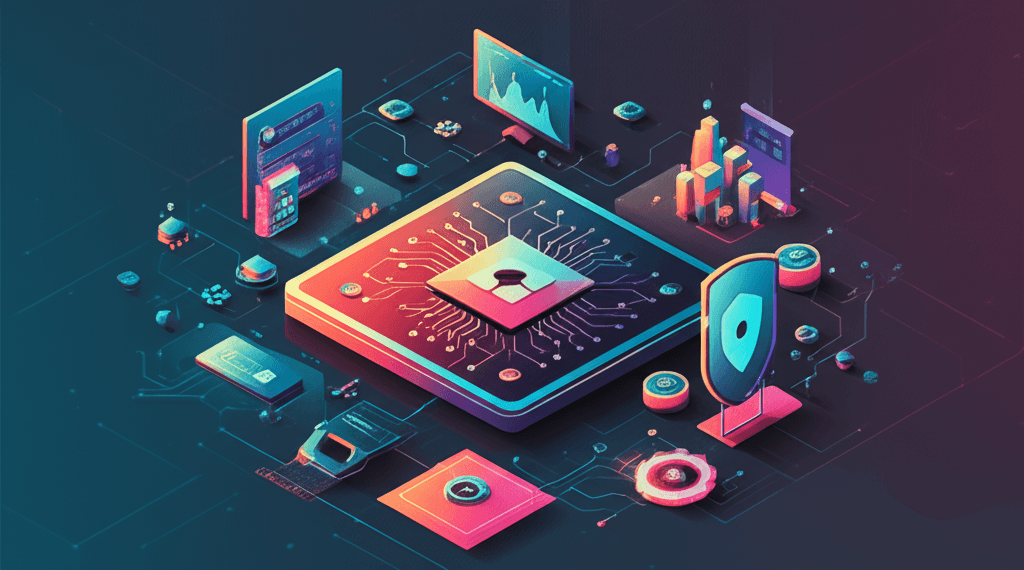
Anthropic just released Claude Code Security—an AI feature that automatically scans code for vulnerabilities and suggests patches. The cybersecurity industry is not taking it well.
Cybersecurity stocks fell on the announcement, with investors worried that AI agents could automate away significant chunks of the $200 billion security software market.
The panic is premature. But the underlying question is real: how much of traditional security tooling can AI replace?
What Claude Code Security Actually Does
Claude Code Security analyzes source code to identify:
- Common vulnerability patterns (SQL injection, XSS, buffer overflows)
- Insecure coding practices (hardcoded credentials, weak cryptography)
- Supply chain risks (vulnerable dependencies)
- Logic flaws that static analysis tools miss
What makes it different from existing static analysis tools (SAST) is the reasoning capability. Traditional tools pattern-match against known vulnerabilities. Claude understands context and can spot novel security issues based on what the code is actually trying to do.
When it finds issues, it:
- Explains the vulnerability in plain language
- Assesses severity and exploitability
- Suggests specific code changes to fix it
- Can generate the patch automatically if requested
This is closer to what a senior security engineer does during code review—not just flagging issues but understanding intent and suggesting practical fixes.
Why the Cybersecurity Industry is Worried
The concern isn't about Claude Code Security specifically. It's about what this capability represents.
Here's the threat model from the perspective of security vendors:
1. Margin compression: Enterprise security tools command premium pricing because they require specialized expertise. If AI can deliver similar results for pennies on the dollar, margins collapse.
2. Feature commoditization: Security scanning, threat detection, and vulnerability assessment are expensive product categories. If LLMs can handle these tasks natively, the entire market reprices.
3. Consulting disruption: Security consulting firms charge $200-500/hour for code reviews and penetration testing. If AI agents can do 70% of this work automatically, billing rates drop.
4. Alert fatigue solved differently: Traditional security tools generate thousands of alerts that require human triage. AI agents could handle both detection AND triage, eliminating the need for entire categories of tools.
The immediate stock price reaction suggests investors think this threat is real.
The Reality Check
But here's what the panic is missing:
Security isn't just vulnerability detection. It's also:
- Policy enforcement across complex organizations
- Compliance reporting for specific regulatory frameworks
- Incident response when breaches happen
- Threat intelligence about active attack campaigns
- Access control and identity management
- Security operations (SOC) with human judgment calls
AI can help with all of these. But it's not replacing them overnight.
False positive management still requires humans. Claude might be better at understanding context than traditional SAST tools, but it's still going to flag things that aren't actually exploitable in your specific environment. Someone has to make those calls.
Security is adversarial. Attackers adapt to defenses. AI-powered defense tools will face AI-powered attack tools. This becomes an arms race, not a replacement.
Regulatory and liability concerns matter. Most enterprises won't replace their security stack with an AI agent just because it's cheaper—they need audit trails, compliance certifications, and someone to blame when things go wrong.
What This Actually Means For Security Tools
The smart security vendors are already adapting:
Snyk is integrating LLMs into their developer security platform GitHub (via Copilot) already has AI-powered security scanning Wiz and Orca Security are adding AI-based threat detection
The winners will be companies that combine AI capabilities with:
- Deep integration into existing development workflows
- Specialized knowledge for specific compliance requirements (HIPAA, SOC 2, PCI-DSS)
- Human expertise for complex investigations
- Enterprise features like audit logs, role-based access, and policy management
The losers will be tools that only offer what LLMs can now do natively—basic pattern matching and generic recommendations.
What This Means For Your Business
If you're managing security for your organization:
-
Don't rip out your security stack yet: Claude Code Security is impressive, but it's not a complete replacement for enterprise security tools. Use it as an additional layer.
-
Start testing AI-powered security tools: The capabilities are real. Even if you keep your existing tools, add AI-based scanning to catch things traditional tools miss.
-
Rethink security headcount: You might not need as many junior security engineers doing manual code reviews. But you'll need senior engineers who can evaluate AI recommendations and handle complex threats.
-
Watch the vendor consolidation: Expect M&A activity as traditional security vendors acquire AI capabilities and AI-native security startups emerge.
If you're a developer: Claude Code Security (and similar tools) can make you more productive. Use them during development to catch issues before code review. But don't skip human security review for critical code.
If you're a security professional: Learn to work with AI tools, not against them. The engineers who can combine AI-powered analysis with deep security expertise will be more valuable, not less.
The Technical Limitations
Claude Code Security has real constraints:
Context window limits: Even with 200K token context, it can't analyze entire codebases at once. It works on files or modules, not complete systems.
Business logic understanding: It can spot technical vulnerabilities, but it can't fully understand your specific business rules and where logic flaws create security risks.
Runtime behavior: Static analysis (even AI-powered) can't catch everything. You still need runtime security monitoring, penetration testing, and red team exercises.
Proprietary protocol support: If your system uses custom protocols or proprietary technologies, Claude won't have training data about their specific vulnerabilities.
Looking Ahead
The cybersecurity industry is about to split into two camps:
1. Commodity security (vulnerability scanning, basic threat detection) — This gets absorbed into AI agents and developer tools. Pricing drops dramatically.
2. Specialized security (compliance, incident response, adversarial defense) — This remains high-value and requires human expertise, just augmented by AI.
The companies that figure out how to operate in the second category will thrive. The ones that only offer commodity features will struggle.
Expect major announcements from Crowdstrike, Palo Alto Networks, and other security leaders about their AI strategies in the next 60-90 days. They can't afford to look like they're being disrupted.
For now, the smart move is to test Claude Code Security (and similar tools) in non-critical projects, evaluate the results, and gradually expand use cases as confidence builds.
The cybersecurity industry isn't dying. But it's definitely being forced to evolve—fast.
Build Secure AI Systems From The Start
At AI Agents Plus, we help companies build AI systems with security and reliability built in from day one. Whether you need:
- Secure AI Agent Development — Build autonomous systems that handle sensitive data responsibly
- AI Security Audits — Evaluate your AI systems for vulnerabilities and risks
- Voice AI Solutions — Conversational interfaces with proper authentication and access control
We've built secure AI systems for startups and enterprises across Africa and beyond.
Ready to explore AI that's both powerful and secure? Let's talk →
About AI Agents Plus Editorial
AI automation expert and thought leader in business transformation through artificial intelligence.