Meta's $65M AI Lobbying Blitz: Big Tech Buys Its Way Into Regulation
Meta is spending $65 million on super PACs to influence AI legislation and back friendly politicians. This isn't lobbying — it's a direct assault on AI regulation. Here's what it means for startups and competition.
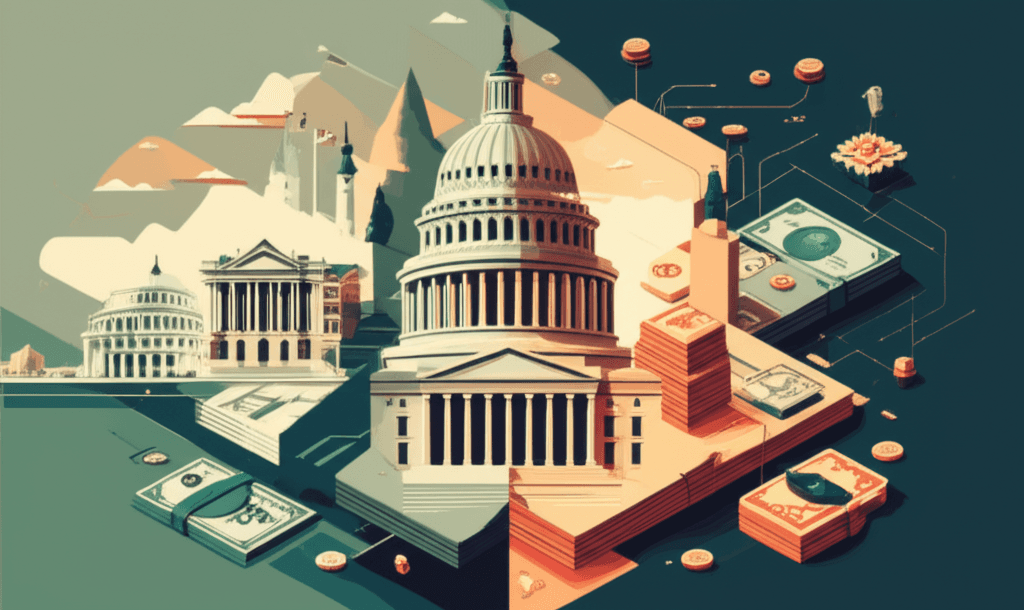
Meta just dropped $65 million on a plan to buy political influence over AI regulation. And they're not even trying to hide it.
The social media giant is funding two new super PACs — "Forge the Future Project" (targeting Republicans) and "Making Our Tomorrow" (targeting Democrats) — to support politicians who are friendly to AI and oppose legislation that could limit Meta's AI business.
This isn't normal tech lobbying. This is Meta writing checks to shape the rules before the rules are written.
The Money Trail
According to the New York Times, Meta's $65 million will flow through its existing pro-AI PAC network plus the two new political arms. The goal: elect candidates who will either block AI regulation entirely or pass industry-friendly laws that entrench existing players.
Meta's strategy is bipartisan by design. "Forge the Future Project" will back Republican candidates who oppose AI safety legislation and favor deregulation. "Making Our Tomorrow" will support Democrats who champion innovation over precaution.
Both PACs share the same underlying message: AI regulation is bad for America, and the companies building AI today should write the rules.
Why Meta Is Going All-In Now
Timing matters. Multiple AI regulation bills are moving through Congress and state legislatures:
- California's SB 1047 (AI safety standards for large models)
- Federal proposals for algorithmic transparency
- EU AI Act compliance requirements hitting US companies
- Potential Section 230 reforms that could affect AI-generated content
If any of these pass with teeth, Meta faces billions in compliance costs and operational restrictions. Spending $65 million to kill these bills is a bargain.
s.com/ai-agents-plus.firebasestorage.app/blog-images/meta-65m-ai-legislation-lobbying-inline.png)
What Meta Actually Wants
Meta's PAC strategy tells you exactly what they fear:
1. Transparency requirements
If regulators force Meta to disclose training data sources, content moderation algorithms, or AI decision-making processes, the company's competitive moat disappears. Lobbying against transparency = protecting trade secrets.
2. Liability for AI-generated content
Meta's business model depends on user-generated content being protected by Section 230. If AI-generated content doesn't get the same protection, Meta faces massive legal exposure for everything its AI creates.
3. Model size restrictions
California's SB 1047 would have imposed safety testing requirements on models above a certain size. Meta killed that bill with lobbying. This $65M is the scaled-up version of the same playbook.
4. Open-source restrictions
Meta uses "open-source AI" (like Llama) as a competitive weapon against OpenAI and Google. Any regulation that treats open-source models differently threatens that strategy.
The Startup Tax
Here's what makes this particularly ugly for smaller AI companies: Meta isn't just buying favorable laws — they're buying regulatory capture.
When big incumbents write the rules, those rules favor big incumbents. Compliance costs that Meta can absorb ($10M for legal, $50M for infrastructure) kill startups. Licensing requirements that Meta can negotiate become barriers for new entrants.
You see this pattern across industries: Big Pharma writes FDA rules. Big Finance writes Dodd-Frank. Now Big Tech writes AI regulation.
The result is always the same: innovation slows, competition dies, and the companies that paid for the rules win by default.
Three Ways This Hurts Competition
1. Compliance becomes a moat
If regulation is designed by Meta's chosen politicians, it will be designed to favor Meta's infrastructure, business model, and technical approach. Startups building different architectures will face higher compliance costs.
2. "Self-regulation" means no regulation
Meta-backed candidates will push voluntary industry standards instead of legal requirements. Meta already meets those standards (because they wrote them). Startups don't have the lawyers to participate.
3. International fragmentation
If the US passes weak AI rules while the EU enforces strict ones, global AI companies (Meta, Google, Microsoft) can comply with both. Smaller companies have to pick one market.
What This Means For Your Business
If you're building AI products:
- Budget for political risk: The regulatory environment will be shaped by whoever spends the most. That's not you.
- Assume compliance costs will rise: Even if "industry-friendly" laws pass, they'll include carve-outs and requirements that favor large players.
- Watch for state-level variance: If federal AI regulation fails, expect a patchwork of state laws that Meta helped write in key markets.
If you're evaluating AI vendors:
- Ask about political exposure: Which vendors are lobbying against transparency? That's a red flag for future accountability.
- Favor companies with clear compliance paths: Startups that embrace regulation early will be better partners long-term than giants fighting it.
The Counterargument: Is Some of This... Fine?
To be fair, not all corporate lobbying is evil. Tech companies should have input on laws that affect them. The problem isn't that Meta has opinions — it's the scale and intent.
$65 million isn't "having a seat at the table." It's buying the table, the chairs, and the building.
Meta isn't lobbying for smart AI policy. They're lobbying against accountability, transparency, and competition. The proof is in the targets: their PACs back politicians who oppose any meaningful AI oversight.
Looking Ahead: The AI Lobby Arms Race
Meta's $65M is the opening salvo. Expect Google, Microsoft, Amazon, and OpenAI to match or exceed it. We're about to see the biggest tech lobbying blitz since the Net Neutrality wars.
The winners will be the companies that can afford to play. The losers will be startups, researchers, and users who wanted AI regulation designed for public good instead of corporate profit.
Watch which politicians take Meta's money. Then watch what bills they kill.
Build AI That Competes on Merit, Not Lobbying Budgets
At AI Agents Plus, we help companies build AI products that win in the market, not in the legislature. Whether you need:
- Custom AI Agents — Production systems that deliver ROI without requiring regulatory capture
- Rapid AI Prototyping — Go from idea to working demo faster than Meta can draft a lobbying memo
- AI Strategy That Scales — Build for compliance and transparency from day one
We've helped startups and enterprises across Africa and beyond compete against tech giants by building better products, not better political connections.
Ready to compete on merit? Let's talk →
About AI Agents Plus Editorial
AI automation expert and thought leader in business transformation through artificial intelligence.