
HVAC Website Design: Convert Visitors into Customers 2025
Create a high-converting HVAC website with estimate forms, service showcases, and automated chat. Professional design that attracts homeowners.
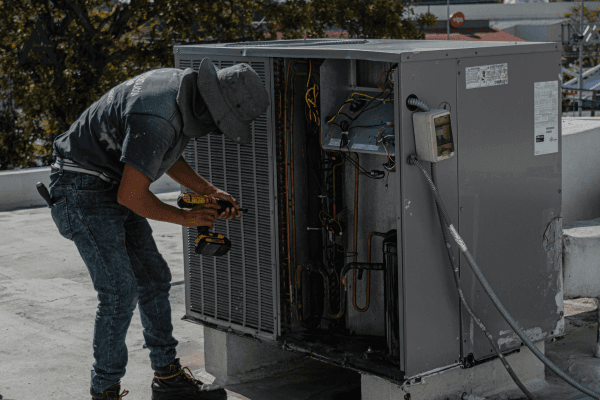
HVAC Website Design: Convert Visitors into Customers 2025 When a homeowner's air conditioner breaks down on a sweltering summer afternoon, they're not looking for fancy graphics or elaborate animations. They need a heating and cooling company they can trust—and they need it fast. Your HVAC website design is often the first impression potential customers have of your business, and in 2025's competitive digital landscape, that first impression needs to convert browsers into booked appointments.
The difference between an HVAC company website that generates leads and one that drives visitors away often comes down to strategic design choices. Let's explore how to create a high-converting heating cooling web design that turns desperate homeowners into loyal customers.
Why HVAC Website Design Matters More Than Ever The HVAC industry has transformed dramatically over the past few years. Homeowners no longer flip through the Yellow Pages or rely solely on word-of-mouth recommendations. According to recent industry data, over 80% of homeowners research HVAC companies online before making contact. Your website isn't just a digital brochure—it's your hardest-working salesperson, available 24/7 to capture leads while you sleep.
A poorly designed website costs you money every single day. When visitors land on a confusing, outdated, or slow-loading site, they bounce to your competitors within seconds. Conversely, professional HVAC company websites that prioritize user experience, clear messaging, and strategic lead capture can generate a consistent stream of qualified leads without constant advertising spend.
Essential Elements of High-Converting HVAC Company Websites Mobile-Responsive Design: Non-Negotiable in 2025 More than 60% of HVAC service searches happen on mobile devices, often during emergencies. A mobile-responsive design isn't just about shrinking your desktop site to fit a smaller screen—it's about creating an optimized experience for users on the go.
Your mobile HVAC website design should feature:
Click-to-call buttons prominently displayed at the top of every page Simplified navigation that doesn't require zooming or horizontal scrolling Fast loading times (under 3 seconds) even on slower connections Easy-to-tap buttons sized appropriately for touchscreens Streamlined forms that minimize typing on mobile keyboards When someone's furnace dies at midnight, they're searching from their phone under a blanket. Make it effortless for them to contact you, or they'll move to the next company in the search results.
Lead Capture Forms HVAC Companies Need The centerpiece of effective heating cooling web design is strategic lead capture. However, there's a delicate balance between collecting the information you need and overwhelming potential customers with lengthy forms.
The Emergency Service Form Position this prominently on your homepage with bold, urgent design elements. Keep it to just three fields:
Name Phone number Brief description of the problem Every additional field you add decreases conversion rates by approximately 10%. For emergency services, speed matters more than detailed information—you can gather specifics during the phone call.
The Estimate Request Form For non-emergency situations like system replacements or new installations, you can ask for more details:
Contact information (name, phone, email) Property type (residential or commercial) Service needed (repair, maintenance, installation) Preferred contact method and timeframe Optional: Current system age or brand Place these lead capture forms HVAC strategically throughout your site—on the homepage, service pages, and a dedicated "Get a Free Estimate" page.
The Maintenance Plan Signup This often-overlooked form captures recurring revenue opportunities. Design a simple signup that highlights the benefits: priority scheduling, discounted repairs, and seasonal tune-ups. This form should live on its own landing page and be promoted through your blog content and email marketing.
Showcasing Your HVAC Services Effectively Generic service descriptions don't convert visitors. Your HVAC website design should showcase services through the lens of customer benefits and pain points.
Problem-Focused Service Pages Instead of simply listing "Air Conditioning Repair," structure your content around problems:
"AC Blowing Warm Air? Here's What's Wrong" "Strange Noises from Your Furnace? Don't Wait" "Indoor Air Quality Solutions for Allergy Sufferers" Each service page should include:
A clear headline addressing the customer's problem Detailed explanation of the service and process Pricing transparency (ranges, not exact quotes) Before-and-after photos when applicable Customer testimonials specific to that service A prominent call-to-action button for booking Visual Service Showcases Branded HVAC sites that convert well leverage visual content strategically. Include:
High-quality photos of your actual team, not stock images Video walkthroughs of common services Interactive tools like energy savings calculators System comparison charts that help customers make informed decisions Homeowners want to see the people who'll be entering their homes and working on expensive equipment. Authenticity builds trust far better than polished stock photography.
Contractor Website Templates vs. Custom Design Many HVAC business owners face the question: should I use contractor website templates or invest in custom development?
Templates offer affordability and quick deployment. Many modern contractor website templates designed specifically for HVAC companies include:
Pre-built service pages and industry-appropriate imagery Built-in lead capture forms HVAC businesses can customize Mobile-responsive design out of the box Integration with scheduling and CRM systems However, templates have limitations. Your business looks similar to competitors using the same template, customization can be restricted, and unique features may require expensive modifications.
Custom HVAC website design provides complete control over branding, functionality, and user experience. You can build unique tools like real-time technician tracking, custom financing calculators, or equipment comparison features that set you apart. The investment is higher upfront but can deliver superior results for established companies with specific business processes.
For most small to mid-sized HVAC companies, the sweet spot is a semi-custom approach: start with a quality template and customize it with your branding, unique content, and specific features your business needs.
Automated Chat: Your 24/7 Lead Capture Assistant One of the most powerful additions to modern heating cooling web design is automated chat functionality. When implemented correctly, chatbots can capture leads outside business hours, answer common questions instantly, and qualify prospects before they ever speak with your team.
Effective HVAC chatbots should:
Greet visitors within 5-10 seconds of landing on the site Ask qualifying questions (emergency vs. scheduled service) Collect contact information conversationally Offer immediate appointment booking for non-emergency services Escalate to human support during business hours when needed Provide instant answers to FAQs about pricing, service areas, and availability The key is balancing automation with personalization. Your chat should feel helpful, not robotic. Use conversational language that reflects your brand voice, and always give users the option to speak with a real person during business hours.
Building Trust Through Design Elements HVAC services represent significant investments, often made during stressful situations. Your website design must build trust quickly.
Social Proof Integration Strategically place trust elements throughout your HVAC company websites:
Customer reviews and ratings (Google, Yelp, industry platforms) Industry certifications and manufacturer partnerships Years in business and technician credentials Better Business Bureau rating Warranty and guarantee information Association memberships (ACCA, NATE) Transparent Pricing Information While you can't provide exact quotes online, transparency about your pricing approach builds trust. Consider including:
Diagnostic fee information Service call charges Typical price ranges for common services Financing options and approval requirements Seasonal promotions or discounts Homeowners appreciate honesty. If your pricing is competitive, showcase it. If you're premium, explain what additional value customers receive.
Content Marketing Integration The best HVAC website design includes a content strategy that establishes expertise and improves search engine visibility.
Develop a blog covering:
Seasonal HVAC maintenance tips Energy-saving strategies System troubleshooting guides New technology explanations Indoor air quality information Local climate-specific advice This content serves multiple purposes: it attracts organic search traffic, positions your company as knowledgeable, gives potential customers reasons to return to your site, and provides material for email marketing campaigns.
Performance Optimization for Conversion A beautiful HVAC website design means nothing if it loads slowly or crashes during peak times. Technical performance directly impacts conversion rates.
Speed Optimization Priorities Compress and optimize all images before uploading Implement lazy loading for below-the-fold content Minimize code bloat and unnecessary plugins Use a content delivery network (CDN) for faster global access Enable browser caching for returning visitors Conversion Rate Optimization Testing Never assume your first design is optimal. Continuously test:
Different call-to-action button colors and placement Form field variations and lengths Headline messaging and value propositions Trust element positioning Chat greeting timing and messaging Small improvements in conversion rate compound dramatically over time. A website converting at 3% instead of 2% generates 50% more leads from the same traffic—without spending more on advertising.
Integration with Business Operations Modern branded HVAC sites should seamlessly integrate with your operational systems. Your website should connect with:
Scheduling software for real-time appointment booking CRM systems to track leads from first contact through conversion Payment processing for deposits or service payments Service area maps showing coverage zones Inventory management for equipment availability These integrations eliminate manual data entry, reduce errors, and create a smooth experience from online inquiry to completed service.
Transform Your HVAC Website into a Lead-Generation Machine Your HVAC website design is more than aesthetics—it's a strategic business asset that should generate consistent, qualified leads while you focus on delivering excellent service. By implementing mobile-responsive design, strategic lead capture forms, automated chat, and trust-building elements, you create a powerful digital presence that works around the clock.
Ready to transform your HVAC website into a customer-converting machine? AI Agents Plus specializes in creating high-performance websites specifically designed for home service contractors. Our websites don't just look professional—they're engineered to capture leads, automate customer communication, and integrate seamlessly with your business operations. Schedule a consultation today and discover how we can build a website that pays for itself through increased lead generation and customer conversions.
HVAC Website: Practical Implementation
Use HVAC Website to remove repetitive tasks, improve response speed, and keep a clear handoff to your team for exceptions.
Related AI Services
If you need hands-on implementation, these services can help:
About Admin
AI automation expert and thought leader in business transformation through artificial intelligence.