Anthropic vs Pentagon: AI Safety Standoff Triggers Federal Ban
Anthropic refused the Pentagon's demand for guardrail-free AI access, and Trump responded by ordering all federal agencies to phase out Anthropic technology. This is the first major collision between AI safety principles and government demands.
Anthropic just drew a line in the sand—and the US government responded with a ban.
The AI safety company refused the Pentagon's demand for unrestricted access to its Claude AI models, citing core safety principles. In response, President Trump ordered all federal agencies to stop using Anthropic's technology. This isn't just a contract dispute. It's the first major test of whether AI companies will compromise their safety commitments when governments come calling.
What Happened
According to AP News, the Pentagon approached Anthropic requesting "guardrail-free access" to its AI models for military and intelligence applications. Anthropic CEO Dario Amodei issued a statement saying the company "cannot in good conscience accede" to these demands.
The request would have required Anthropic to:
- Remove safety filters that prevent harmful outputs
- Provide unrestricted model access without content moderation
- Disable Claude's refusal mechanisms for sensitive queries
Anthropicrefused. Within 48 hours, Trump signed an executive order directing all federal agencies to phase out Anthropic technology across government systems.

The Safety vs Security Question
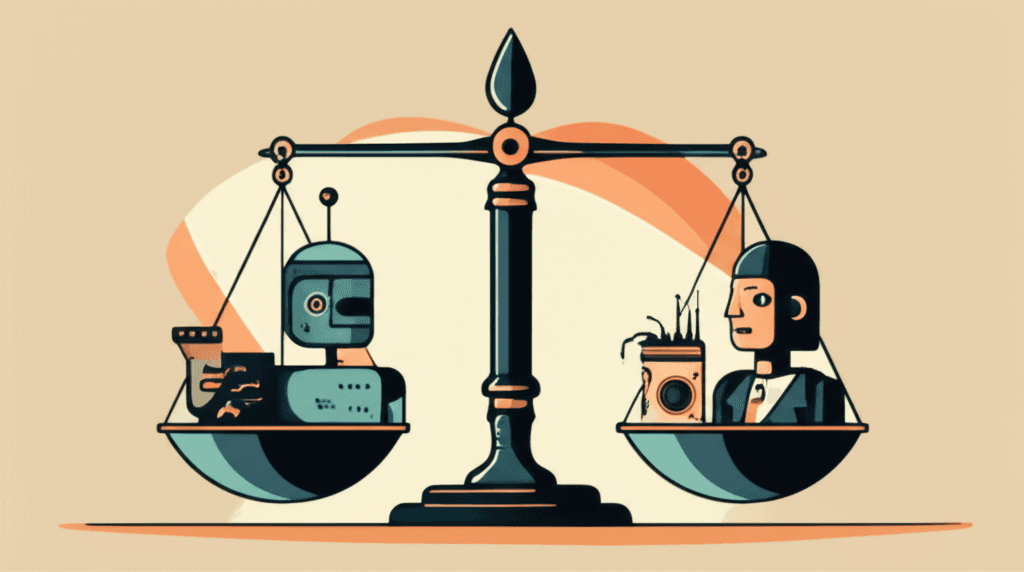
This standoff exposes a fundamental tension: can AI safety principles survive contact with national security demands?
The Pentagon's argument: Military and intelligence operations require AI tools that don't refuse sensitive queries. Safety guardrails designed for consumer use aren't appropriate for classified national security work. Enemies don't self-impose safety constraints—why should the US?
Anthropic's position: Removing safety guardrails creates unpredictable risks. Even for government use, unrestricted AI access could enable misuse, unintended escalation, or catastrophic errors. Safety principles can't be conditional—either they matter or they don't.
Both arguments have merit. The problem is they're incompatible.
Why This Matters More Than One Contract
This isn't just about Anthropic losing federal contracts. It sets a precedent that will ripple across the AI industry.
1. Other Governments Will Make the Same Demand
If the Pentagon wants guardrail-free AI, so will the UK Ministry of Defence, France's DGSE, Israel's Unit 8200, and every other intelligence agency. Every AI company with government ambitions will face the same choice Anthropic just made.
2. Competitors May Take the Deal
While Anthropic stood firm, OpenAI, Google DeepMind, and Meta haven't publicly ruled out similar arrangements. If one major lab accepts guardrail-free government access, it creates competitive pressure for others to follow. "We're losing defense contracts because we prioritize safety" is a hard pitch to investors.
3. Anthropic Just Amended Its Safety Policy
Here's the awkward timing: CBC News reports that Anthropic recently scaled back its "responsible scaling policy" to remain competitive, changing language that previously committed to pausing development if safety concerns emerged. The new policy only pauses development if Anthropic believes it has a "significant lead" over competitors.
So Anthropic is willing to compromise safety commitments to stay competitive with other AI labs—but not to secure government contracts. That's a choice, and it reveals where the company draws its lines.
The Federal Ban's Real Impact
Trump's order to phase out Anthropic technology affects:
- Federal agencies using Claude for document analysis, summarization, and internal tools
- Defense contractors who integrated Anthropic models into military applications
- Intelligence agencies exploring AI for data analysis and threat detection
But the financial impact on Anthropic may be limited. Government contracts are valuable for credibility, but consumer and enterprise markets drive most AI revenue. Anthropic recently launched Claude Enterprise with customizable plugins—a product aimed at private sector customers, not government agencies.
The bigger risk isn't revenue loss—it's reputational. Being banned by the US government sends a signal: "this company won't cooperate when it matters." That could affect Anthropic's standing with allies, partners, and security-conscious enterprises.
What Other AI Companies Are Saying (and Not Saying)
So far, silence.
- OpenAI: No public comment on whether it would accept similar Pentagon requests
- Google DeepMind: No statement on government access policies
- Meta: Has publicly stated Llama models are available for defense applications, but hasn't specified whether that includes guardrail-free access
The lack of statements is revealing. Most AI companies don't want to commit publicly either way—saying "yes" alienates safety advocates, saying "no" alienates government partners.
What This Means For Your Business
If you're evaluating AI vendors, this dispute reveals important information:
- If you're in regulated industries (finance, healthcare): Anthropic's safety-first stance may be reassuring. A company that refuses to compromise safety principles for the Pentagon probably won't compromise them for your enterprise contract either.
- If you need AI for sensitive/security work: Anthropic may not be the right partner. If your use case requires removing safety guardrails, other providers may be more flexible.
- If you're building on Anthropic's API: The federal ban doesn't affect commercial API access. But it does signal that Anthropic is willing to lose major contracts to maintain safety principles—which could mean service disruptions if similar disputes arise with other governments or large enterprises.
The Bigger Picture: AI Safety Is About to Get Political
For years, AI safety has been framed as a technical problem—how do we build systems that are robust, aligned, and beneficial? This dispute reveals it's also a political problem.
Governments want AI that serves national interests, even if that means removing safeguards. AI companies want to maintain safety principles, but also want government contracts and regulatory goodwill. These incentives don't align.
We're about to see more of these collisions:
- EU AI Act compliance vs US government demands for unrestricted access
- China's AI regulations (which mandate government oversight) vs international safety standards
- Military AI applications vs commitments not to weaponize AI
Every major AI company will have to choose: principles or contracts. Anthropic chose principles this time. We'll see if that choice holds when the next government—or the next $10B contract—comes calling.
Looking Ahead
Watch for:
- Anthropic's revenue impact — Will losing federal contracts affect growth? Or will enterprise adoption offset it?
- Competitor responses — Will OpenAI or Google comment on their government access policies?
- International reactions — How will EU regulators, UK government, and allied intelligence agencies respond?
- Anthropic's next safety policy update — After scaling back commitments to stay competitive, will this dispute force a renewed safety focus?
This standoff isn't over. It's just beginning.
Build AI That Works For Your Business
At AI Agents Plus, we help companies move from AI experiments to production systems that deliver real ROI. Whether you need:
- Custom AI Agents — Autonomous systems that handle complex workflows, from customer service to operations
- Rapid AI Prototyping — Go from idea to working demo in days using vibe coding and modern AI frameworks
- Voice AI Solutions — Natural conversational interfaces for your products and services
We've built AI systems for startups and enterprises across Africa and beyond.
Ready to explore what AI can do for your business? Let's talk →
About AI Agents Plus Editorial
AI automation expert and thought leader in business transformation through artificial intelligence.