
NVIDIA Agent Toolkit Launches With 17 Enterprise Adopters: The Infrastructure AI Agents Have Been Waiting For
NVIDIA's open-source Agent Toolkit lands at GTC 2026 with immediate adoption by Adobe, Salesforce, SAP, and 14 other enterprise giants. This could be the unified platform that finally moves AI agents from experiments to production.
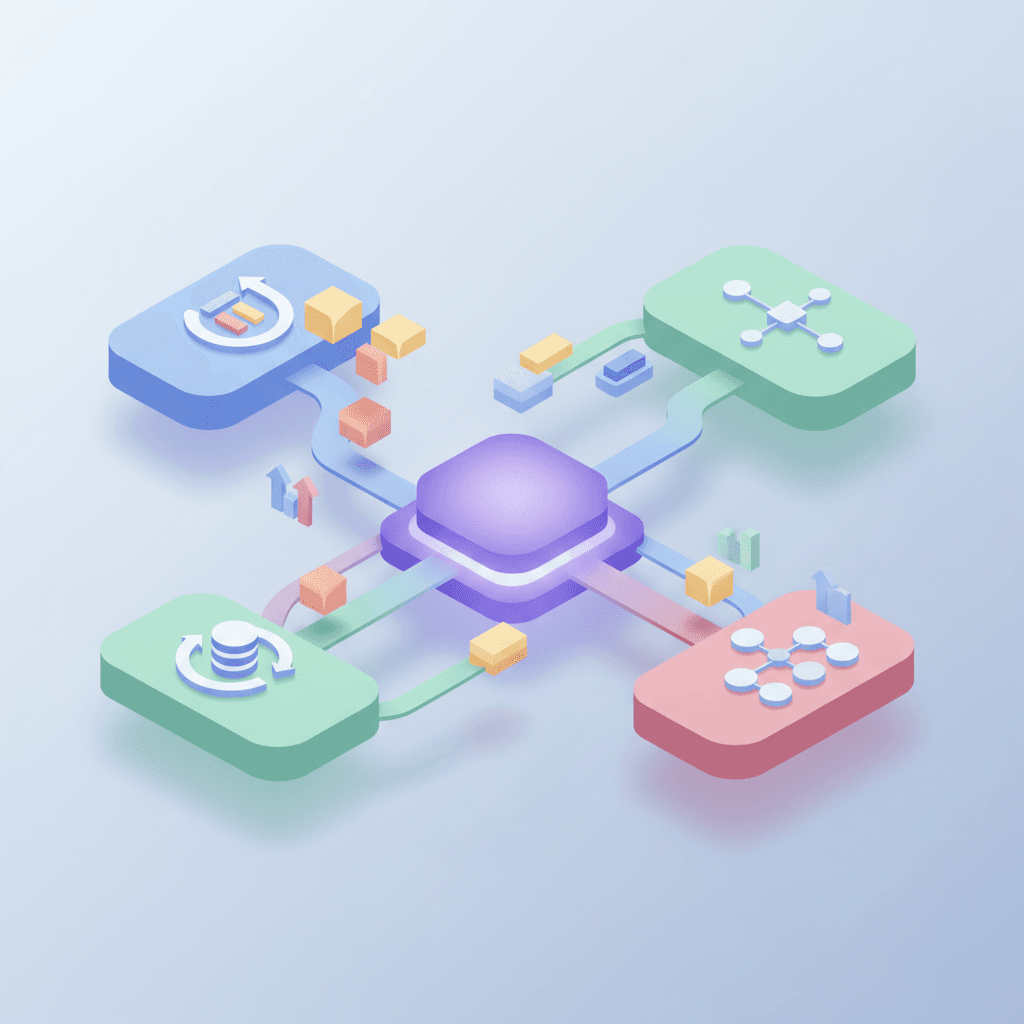
NVIDIA dropped a major piece of enterprise AI infrastructure at GTC 2026 this week, and the adoption numbers tell you everything you need to know: 17 of the biggest names in enterprise software — Adobe, Salesforce, SAP, and others — are already building on it.
The NVIDIA Agent Toolkit is an open-source platform designed to simplify building and deploying autonomous AI agents at scale. And based on who's already using it, we're looking at a potential standardization moment for enterprise agentic AI.
What NVIDIA Actually Built
The Agent Toolkit addresses something that's been quietly frustrating every enterprise trying to move beyond AI demos: there's no standard way to build, deploy, and manage AI agents across different systems.
Every company has been rolling their own infrastructure. Different frameworks. Different deployment patterns. Different security models. It's been a mess.
NVIDIA's answer is a unified software stack that handles:
- Agent orchestration — Coordinating multiple AI agents working together
- Tool integration — Connecting agents to enterprise systems and APIs
- Memory management — Giving agents persistent context across sessions
- Security and governance — Enterprise-grade access controls and monitoring
But here's what matters more than the feature list: it's open source, and the biggest enterprise platforms are already committed to it.
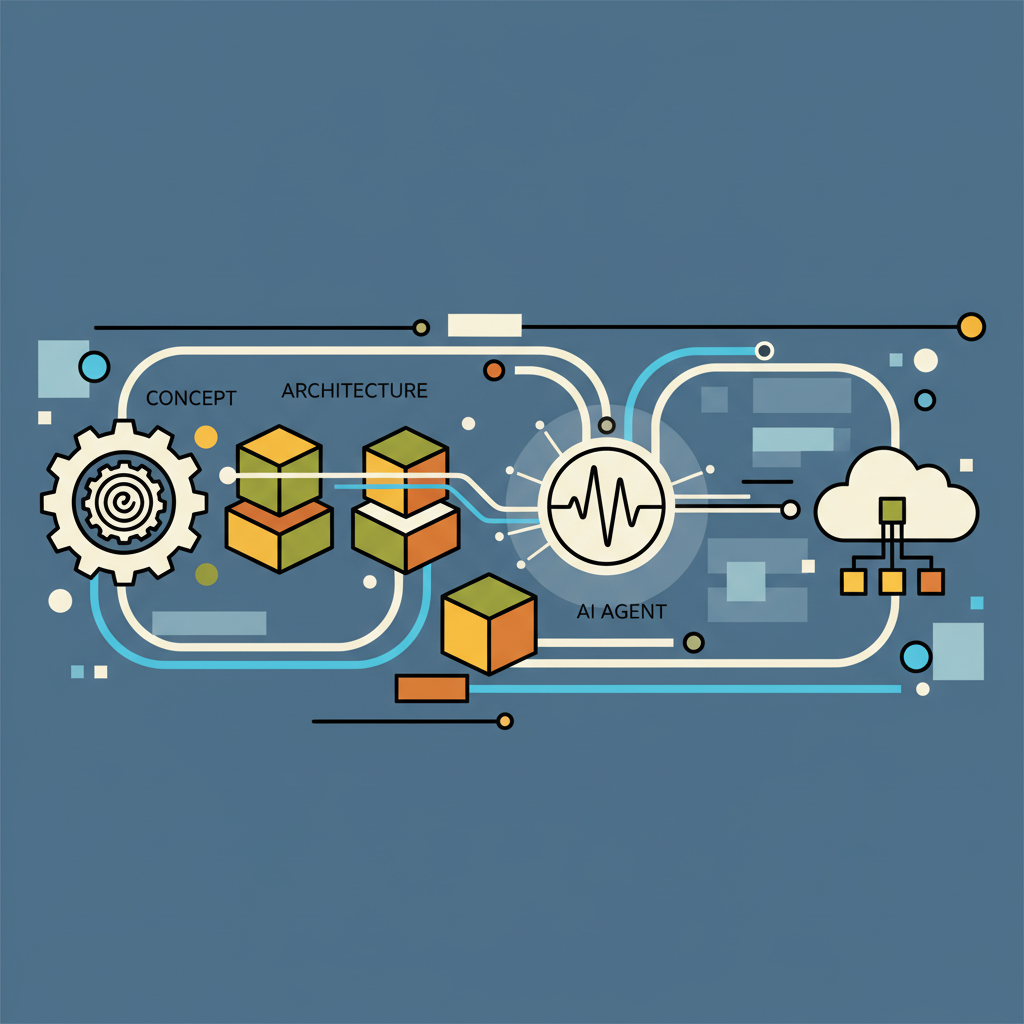
Why 17 Companies Signed Up Before Launch
Adobe, Salesforce, and SAP don't bet on unproven infrastructure. Their adoption signals something important: the enterprise world has reached consensus that agentic AI is ready for production, and they need shared tooling to make it work.
Think about what this means in practice:
- Adobe can build creative automation agents that understand design workflows
- Salesforce can deploy sales and service agents that integrate with their entire CRM ecosystem
- SAP can create supply chain and finance agents that navigate complex enterprise systems
All using the same underlying platform. Same security model. Same deployment patterns.
That's the kind of standardization that accelerates an entire industry.
The Timing Couldn't Be Better
This announcement comes at exactly the right moment. We're watching enterprises hit the same wall over and over:
- They run successful AI agent pilots
- They try to scale them across the organization
- They discover they need entirely custom infrastructure for each use case
- The project stalls
The Optro research released this week confirmed this pattern: 85% of enterprises have deployed AI, but only 25% have full visibility into how it's being used. That's not a governance problem — it's an infrastructure problem.
NVIDIA's toolkit gives enterprises a single platform to build on, which means:
- Consistent security policies across all AI agents
- Centralized monitoring and governance
- Reusable components across different agent use cases
- Easier integration with existing enterprise systems
What This Changes for Enterprise AI
The shift from "every company builds their own agent framework" to "most companies build on shared infrastructure" is significant.
We've seen this movie before. Cloud infrastructure went through the same evolution. So did containerization. So did CI/CD pipelines.
The pattern is always the same:
- Early adopters build custom everything
- Common patterns emerge
- Someone packages those patterns into infrastructure
- The whole industry accelerates
NVIDIA's bet is that we're at step 3 for AI agents right now. The 17 launch partners suggest they're right.
What This Means For Your Business
If you're building AI products:
Pay attention to what these 17 companies build on this platform. Those will become the reference architectures for enterprise AI agents. Your customers will expect similar capabilities.
If you're buying AI solutions:
Ask vendors whether they're building on standardized infrastructure like this. Custom frameworks might work, but shared infrastructure means better security, easier integration, and a larger talent pool to support it.
If you're evaluating AI strategy:
The conversation has shifted from "should we experiment with AI agents?" to "what's our production infrastructure for deploying them?" If you're still in pilot mode, you're behind.
Looking Ahead
The real test comes in the next 6-12 months. Will these 17 companies actually ship production AI agents built on the toolkit? Will more enterprises adopt it?
Based on who's already committed, the answer is likely yes. Adobe, Salesforce, and SAP don't make infrastructure bets for fun. They're building product roadmaps around this.
For enterprises still figuring out their AI agent strategy, this announcement simplifies the decision: you can build on emerging standards, or you can roll your own. One of those paths gets dramatically easier from here.
Build AI Agents That Actually Ship
At AI Agents Plus, we help companies move from AI experiments to production systems that deliver real ROI. Whether you need:
- Custom AI Agents — Autonomous systems that handle complex workflows, from customer service to operations
- Rapid AI Prototyping — Go from idea to working demo in days using vibe coding and modern AI frameworks
- Voice AI Solutions — Natural conversational interfaces for your products and services
We've built AI systems for startups and enterprises across Africa and beyond.
Ready to explore what AI can do for your business? Let's talk →
About AI Agents Plus Editorial
AI automation expert and thought leader in business transformation through artificial intelligence.