
AI Agents for Customer Service Automation: A Complete 2026 Guide
AI agents for customer service automation handle everything from simple FAQs to complex workflows while reducing costs by 30-50%. This complete guide covers use cases, implementation strategies, and best practices for 2026.
AI Agents for Customer Service Automation: A Complete 2026 Guide
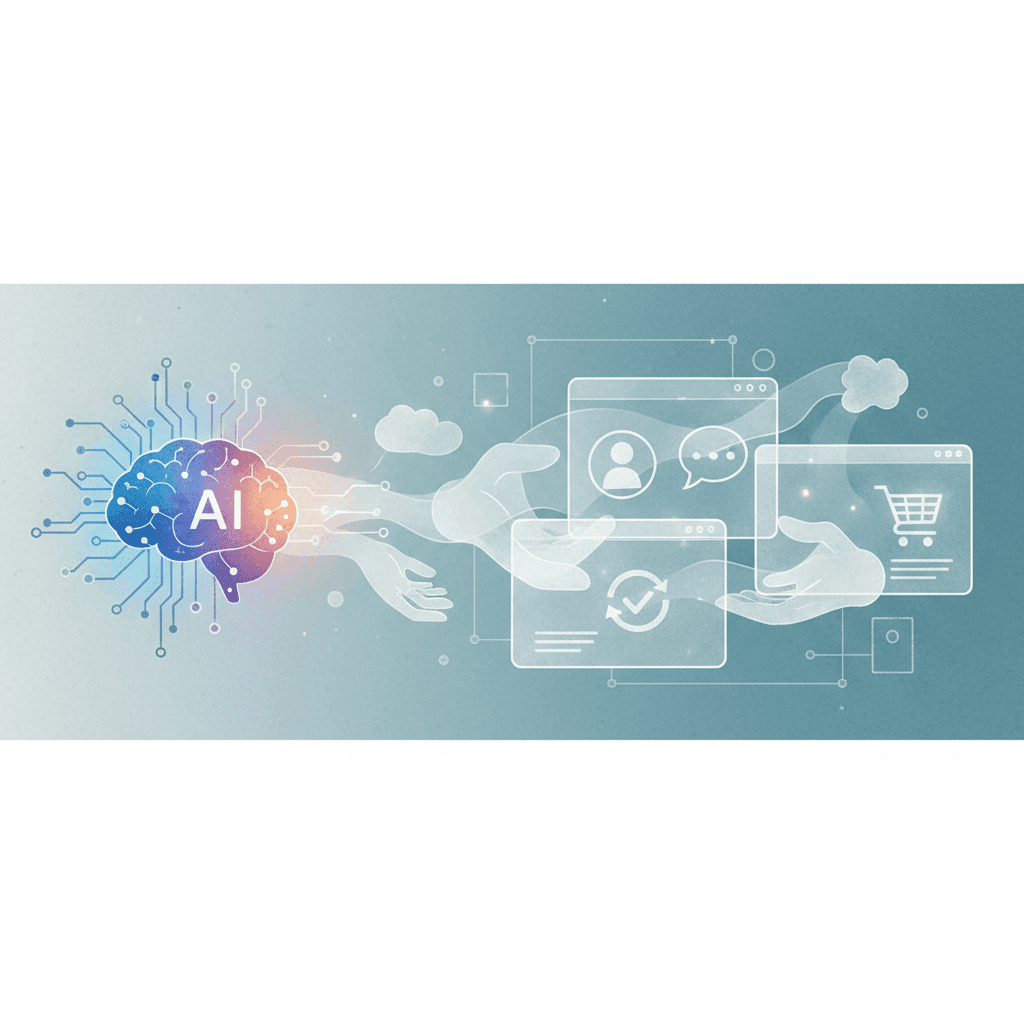
Customer service teams are drowning in repetitive requests while customers expect instant, personalized responses 24/7. AI agents for customer service automation are solving this challenge, handling everything from simple FAQs to complex multi-step workflows while freeing human agents to focus on high-value interactions.
In this guide, we'll explore how AI agents are transforming customer service, the specific use cases where they excel, and how to implement them effectively in your business.
What Are AI Agents for Customer Service?
AI agents for customer service are autonomous software systems that handle customer interactions across multiple channels — chat, email, voice, and messaging platforms. Unlike traditional chatbots that follow rigid decision trees, modern AI agents use large language models (LLMs) to understand context, access relevant knowledge bases, and execute complex tasks independently.
These agents can:
- Understand natural language queries with high accuracy
- Access customer data, order history, and product catalogs
- Execute actions like processing refunds, updating accounts, or scheduling appointments
- Escalate to human agents when needed with full context
- Learn from interactions to improve over time
Why AI Agents Matter for Customer Service in 2026
The customer service landscape has fundamentally changed. Customers expect:
- Instant responses: 60% of customers expect responses within 10 minutes
- 24/7 availability: Support needs don't follow business hours
- Personalized experiences: Generic responses don't cut it anymore
- Omnichannel consistency: Seamless experiences across all platforms
AI agents deliver on these expectations while reducing operational costs by 30-50% and improving customer satisfaction scores. Companies implementing AI agent automation report first-contact resolution rates above 70% for routine inquiries.
How AI Agents for Customer Service Work
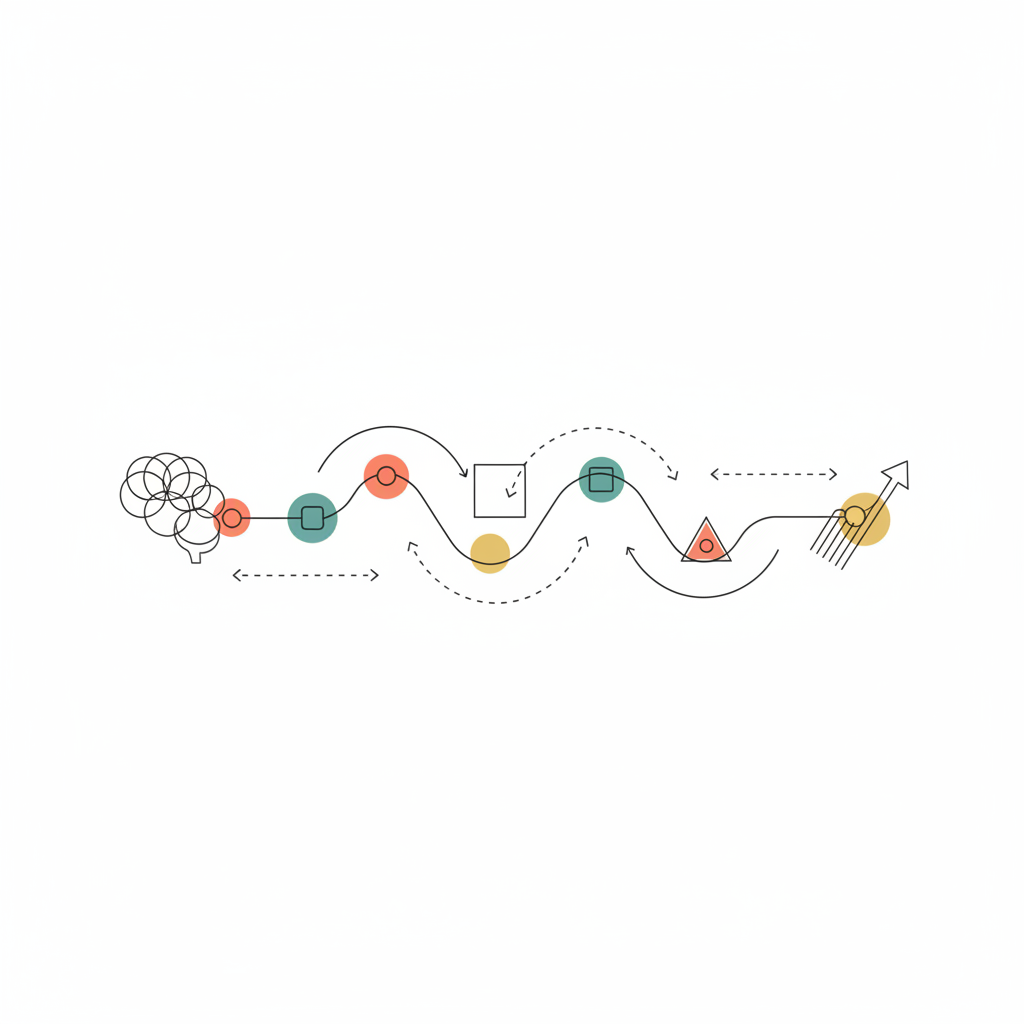
Modern customer service AI agents operate through several integrated components:
1. Natural Language Understanding
AI agents use transformer-based LLMs to understand customer intent, even with complex or ambiguous queries. They handle variations, typos, and context switches naturally.
2. Knowledge Retrieval
Agents search through documentation, FAQs, product catalogs, and historical tickets using semantic search to find the most relevant information.
3. Action Execution
Through API integrations, agents can:
- Look up order status
- Process returns and refunds
- Update account information
- Create support tickets
- Schedule callbacks
4. Intelligent Routing
When issues require human judgment, agents escalate smoothly with complete conversation context and recommended actions.
Best Use Cases for Customer Service AI Agents
AI agents excel in specific scenarios:
Tier 1 Support Automation
Handle common requests like password resets, order tracking, account updates, and basic troubleshooting. These tasks represent 60-70% of typical support volume.
After-Hours Support
Provide full-featured support outside business hours, reducing morning ticket backlogs and improving customer satisfaction.
Multilingual Support
AI agents can communicate fluently in dozens of languages without hiring specialized staff.
Proactive Outreach
Monitor customer behavior and reach out proactively with helpful information, reducing incoming support requests.
Building vs. Buying Customer Service AI Agents
Organizations face a critical decision: build custom agents or deploy pre-built solutions.
Pre-built platforms like Intercom, Zendesk AI, or Salesforce Einstein offer:
- Fast deployment (weeks vs. months)
- Proven reliability
- Limited customization
- Ongoing subscription costs
Custom AI agents provide:
- Perfect alignment with business processes
- Integration with proprietary systems
- Competitive differentiation
- Higher upfront investment
Most successful implementations start with pre-built platforms for standard use cases and develop custom AI agents for strategic differentiators.
Common Mistakes to Avoid
Over-Automating Too Quickly
Start with high-volume, low-complexity interactions. Trying to automate everything from day one leads to poor customer experiences.
Ignoring the Escalation Path
Always design clear handoff processes. Customers stuck in loops with an AI agent that can't help create frustration.
Neglecting Training Data Quality
AI agents learn from historical interactions. If your training data contains outdated information or poor responses, your agent will replicate those mistakes.
Not Monitoring Performance
Continuously track resolution rates, customer satisfaction, and escalation patterns. AI agents need ongoing optimization based on real performance data.
Implementation Best Practices
Start with a pilot: Choose one high-volume, well-defined use case (like order tracking) and prove value before expanding.
Involve frontline staff early: Customer service representatives understand the nuances and edge cases that make or break automation success.
Design for transparency: Customers should always know they're interacting with an AI agent and have clear paths to human help.
Measure the right metrics: Track resolution rate, average handling time, customer satisfaction, and cost per interaction — not just volume handled.
The Future of AI Customer Service Agents
Looking ahead, customer service AI agents will become more sophisticated:
- Emotional intelligence: Better recognition and response to customer emotions
- Predictive support: Addressing issues before customers notice them
- Seamless voice integration: Natural phone conversations indistinguishable from human agents
- Cross-functional agents: Coordinating across sales, support, and account management
Organizations building AI workflow automation capabilities now will have significant competitive advantages as these technologies mature.
Conclusion
AI agents for customer service automation represent a fundamental shift in how businesses support customers. When implemented thoughtfully, they deliver better customer experiences, reduce operational costs, and free human agents to focus on complex, high-value interactions.
The question isn't whether to adopt AI agents for customer service, but how quickly you can implement them effectively.
Build AI That Works For Your Business
At AI Agents Plus, we help companies move from AI experiments to production systems that deliver real ROI. Whether you need:
- Custom AI Agents — Autonomous systems that handle complex workflows, from customer service to operations
- Rapid AI Prototyping — Go from idea to working demo in days using vibe coding and modern AI frameworks
- Voice AI Solutions — Natural conversational interfaces for your products and services
We've built AI systems for startups and enterprises across Africa and beyond.
Ready to explore what AI can do for your business? Let's talk →
Related reading
About AI Agents Plus Editorial
AI automation expert and thought leader in business transformation through artificial intelligence.