
Database Reactivation: Win Back Old Roofing Leads in 2025
Revive dormant roofing leads with database reactivation campaigns. Re-engage past customers and generate new revenue from your existing contact list.
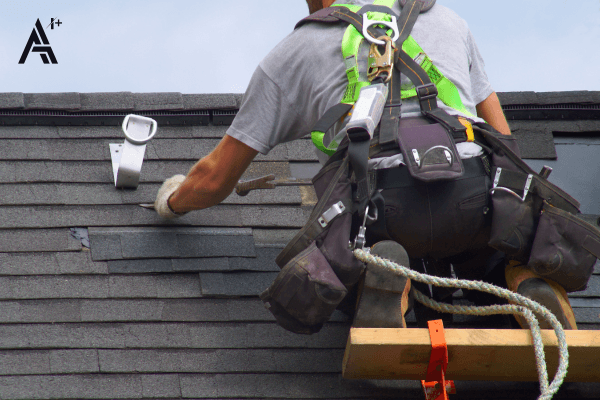
Hidden in your CRM, email lists, and dusty filing cabinets sits a goldmine most roofing contractors completely ignore: hundreds or even thousands of contacts who once expressed interest in your services but never converted, plus past customers who haven't heard from you in years. While you're spending $100-$200 per lead on Google Ads and Facebook campaigns to find new prospects, qualified leads who already know your business are sitting dormant, waiting to be re-engaged. Database reactivation—the strategic process of reaching out to old leads and past customers with targeted campaigns designed to rekindle interest—is one of the highest-ROI marketing activities available to roofing contractors. These contacts already know who you are, many have already been qualified as genuine prospects, and past customers have already experienced your quality firsthand. Converting them requires a fraction of the effort and cost of acquiring entirely new leads. The most successful roofing businesses in 2025 aren't just chasing new leads—they're systematically mining their existing databases for opportunities others overlook. In this comprehensive guide, we'll show you exactly how to implement re-engagement campaigns for roofers that generate substantial revenue from contacts you've already invested in acquiring. The Untapped Goldmine in Your Database Before diving into tactics, let's examine what's actually sitting in your database and why it represents such valuable opportunity: Old Leads That Never Converted: Think back through your lead history. How many homeowners requested estimates but never scheduled? How many got quotes but didn't move forward? How many were "thinking about it" when the conversation ended? These contacts represent partially completed sales cycles that stalled for various reasons—often timing, budget, or simply life getting in the way. Many of these circumstances change over time. Past Customers from Years Ago: If you installed a roof in 2015, that customer is approaching the point where maintenance, repairs, or even replacement might be needed. They already trust you, know your quality, and would prefer working with a known quantity rather than searching for a new contractor. Yet most roofing businesses never contact past customers proactively. Quote Recipients Who Chose Competitors: Some prospects got your estimate but selected another contractor. Perhaps price was the deciding factor. Perhaps the other contractor responded faster. But roofs installed by your competitors will eventually need maintenance and replacement too—and those customers might not be thrilled with their original choice. They're viable prospects for your services. Seasonal Timing Mismatches: Many leads inquire about roofing services during seasons when you're booked solid or weather makes work impossible. These prospects were genuine and qualified but couldn't be served immediately. By the time your schedule opened up, you'd moved on and they'd solved their problem elsewhere or postponed the project. Reactivating them during better timing might yield different results. The Economic Reality: Marketing analytics consistently show that converting an existing lead costs 5-10 times less than acquiring a new one. While you might spend $150 acquiring a new Google Ads lead, reactivating an old lead might cost $15-30 in campaign expenses. The ROI difference is dramatic, yet most contractors focus exclusively on new lead generation while ignoring this lower-hanging fruit. Consider the math: If your database contains 500 old leads and past customers, and a well-executed reactivation campaign converts just 3-5% of them, that's 15-25 new projects without spending a dollar on new lead acquisition. For the average roofing contractor, that represents $180,000-$300,000 in revenue from contacts already in your system. Understanding Why Leads Go Dormant To effectively reactivate leads, you need to understand why they became dormant in the first place. Different stall reasons require different reactivation approaches: Timing Issues: The most common reason leads don't convert is simply bad timing. They inquired in December planning for spring installation. They got an estimate during your peak season and couldn't get scheduled for six weeks. They were interested but needed to wait until after their daughter's wedding to make a financial decision. Time passes, life happens, and the project gets forgotten—but the need hasn't disappeared. Budget Constraints: Many homeowners who receive estimates discover the cost exceeds their current budget. They plan to save up or secure financing but lose momentum during the waiting period. Months or years later, their financial situation may have improved, but they've moved on mentally and aren't actively reconsidering the project. Decision Paralysis: Some prospects get quotes from multiple contractors and become overwhelmed by options, price variations, and conflicting recommendations. Unable to make a confident decision, they simply stop engaging and postpone the project indefinitely. These leads often need education and guidance more than new price quotes. Poor Follow-Up Experience: Honestly, some leads go dormant because your follow-up was inadequate. Perhaps you called once and gave up. Maybe your estimate wasn't clear or compelling. Possibly you failed to address their concerns effectively. These leads might have converted with better nurturing but instead slipped away. Life Disruptions: Job changes, family health issues, divorces, relocations—major life events frequently interrupt purchase decisions. A homeowner deeply engaged in getting a new roof suddenly faces a crisis that pushes the project out of mind entirely. Months later, when life stabilizes, they need a gentle reminder that they have a roofing decision pending. Competitive Displacement: Some leads chose competitors but aren't necessarily happy with that decision. The contractor might have underperformed, cut corners, or provided poor customer service. These dissatisfied customers are excellent reactivation targets for future work or referrals. Understanding these dynamics helps you craft reactivation messages that address the specific reasons leads stalled, dramatically improving your conversion rates. Segmenting Your Database for Targeted Campaigns The biggest mistake in database reactivation is treating all dormant contacts identically. A past customer who had a great experience five years ago requires completely different messaging than a lead who got an estimate last month but didn't respond. Effective customer win-back strategy starts with intelligent segmentation: Recency Segmentation:
Recent Leads (1-6 months old): These leads are still relatively warm. They remember you and their original inquiry. Reactivation messaging should reference their previous interest and offer a reason to re-engage now: "I wanted to follow up on the roof estimate we discussed in October. Our schedule has opened up significantly, and I'd love to revisit your project." Mid-Range Leads (6-18 months old): These contacts need a refresh. They might not immediately remember the details of your previous interaction. Reactivation should provide new value: "We worked on an estimate for your home last year. Since then, we've added new services and financing options that might make your project more feasible. Would you like to revisit this?" Old Leads (18+ months old): These require the softest approach. Don't reference the old interaction prominently—it might feel creepy to receive a follow-up two years later on a forgotten inquiry. Instead, position it as a new opportunity: "As a homeowner in [neighborhood], I wanted to offer you a complimentary roof inspection. Many homes in your area are approaching the age where proactive maintenance saves thousands."
Outcome Segmentation:
Past Customers (Completed Projects): These deserve the most personalized outreach. Reference their specific project and timeline: "It's been 7 years since we installed your new roof on Maple Street. We're in your neighborhood next month and wanted to offer a complimentary inspection to ensure everything is holding up perfectly." Estimate Recipients (No Purchase): These leads got far enough to receive pricing but didn't buy. Reactivation should address common objections: "I realize our estimate last spring might not have fit your timeline or budget. We now offer flexible financing options and our schedule has opened up considerably. Would you like to revisit this?" Inquiry Only (Never Quoted): These leads expressed initial interest but never progressed to estimate stage. They might need less commitment initially: "You reached out about roofing services last year. Would you like to schedule a free inspection to assess your current roof condition and discuss options?"
Service Type Segmentation:
Replacement Inquiries: These were considering major projects and represent high-value opportunities. Tailor messaging around financing, material options, and long-term value. Repair Inquiries: These had immediate problems. Reactivation should acknowledge that issue might have been temporarily addressed but could require proper long-term solutions. Maintenance Inquiries: These were proactive and quality-conscious. Emphasize preventive care and long-term roof health in reactivation messaging.
Geographic Segmentation: Group contacts by neighborhood or subdivision. When you're working in specific areas, reach out to nearby dormant leads: "We're currently working on several projects in your neighborhood. If you've been considering roof work, this is an ideal time to schedule since we're already in your area and can offer reduced travel fees." Crafting Compelling Reactivation Messages The content and tone of your reactivation outreach dramatically impacts response rates. Here's how to craft messages that re-engage rather than annoy: The Soft Re-Introduction: For older leads, acknowledge the time gap without making it awkward: "I know it's been a while since we last spoke about your roofing needs. Situations change, and I wanted to reach out in case your timeline or priorities have shifted. We'd love the opportunity to work with you." The Value-Added Approach: Offer something new that wasn't available during the original interaction: "Since we last spoke, we've partnered with new financing providers offering 0% interest for 18 months. This has made roof replacement accessible for many homeowners who previously found it challenging. Would this change your situation?" The Timely Reminder: Connect reactivation to current events or seasonal considerations: "Spring is the ideal time for roof inspections after winter weather. Since you inquired about roofing services previously, I wanted to ensure you're on our schedule before we book up for the season." The Neighborhood Connection: Leverage social proof from their area: "We've completed several projects in your neighborhood recently and wanted to reach out to homeowners in the area. Your neighbors at [Address] just had us install their new roof—you might have seen us working. Would you like a complimentary inspection while we're nearby?" The No-Pressure Check-In: For past customers, position it as customer service rather than sales: "We like to check in with past customers every few years to ensure their roofs are performing well. You're due for a complimentary maintenance inspection. Can we schedule that for you next week?" The Direct Problem Acknowledgment: If you suspect why they didn't convert initially, address it: "I realize price was a concern when we last spoke. I wanted to let you know about our current financing promotions that significantly reduce monthly costs. Would you like to hear more about these options?" The Scarcity Element: Introduce legitimate urgency without being pushy: "Our spring schedule is filling up rapidly. As someone who previously expressed interest in our services, I wanted to give you priority access to our remaining April and May slots before we open them to new inquiries." Multi-Channel Reactivation Tactics The most effective dormant lead activation campaigns use multiple communication channels, meeting prospects where they're most receptive: Email Campaigns: Email remains the workhorse of reactivation efforts because it's cost-effective, scalable, and allows for rich content. Design a 3-5 email sequence spaced over 2-3 weeks: Email 1: Soft re-introduction and value proposition Email 2: Educational content (roof maintenance tips, signs it's time for replacement) Email 3: Testimonials and recent project showcase from their area Email 4: Direct offer (free inspection, special pricing, financing promotion) Email 5: Final outreach with stronger urgency element Each email should have a single, clear call-to-action and be mobile-optimized since most recipients will view on phones. Direct Mail: For higher-value prospects or past customers, physical mail stands out in our digital world. A personalized postcard or letter referencing your previous interaction can be surprisingly effective: "It's been 5 years since we installed your roof—time for a complimentary checkup!" Include a special offer or QR code linking to easy scheduling. SMS Outreach: Text messaging generates high open rates (98%) but must be used carefully to avoid annoying recipients. Keep messages short and respectful: "Hi [Name], it's [Your Name] from [Company]. You inquired about roofing last year. We're in your area next week and have a few inspection slots available. Interested? Reply YES or call [number]." Phone Calls: For high-value leads and past customers, personal phone calls remain highly effective. Script your approach: acknowledge the time gap, provide a specific reason for calling now, and offer clear value. "Hi [Name], this is [Your Name] from [Company]. We did your neighbor's roof last month at [address], and I remembered you'd inquired about roofing previously. I wanted to reach out while we're in your neighborhood. Do you have a few minutes to discuss your roof?" Social Media Retargeting: Upload your dormant lead list as a custom audience on Facebook and Instagram. Serve targeted ads specifically to these contacts showcasing recent projects, testimonials, or special offers. This passive exposure keeps your brand visible and warms up leads before direct outreach. Ringless Voicemail: Drop pre-recorded voicemails directly to prospects' inboxes without ringing their phones. This less intrusive approach lets them hear your message on their schedule: "Hi [Name], this is [Your Name] from [Company]. I wanted to follow up on your roofing inquiry from last year. I have some new information that might interest you. Give me a call at [number] when you have a moment." Advanced Reactivation Campaign Strategies Once you've mastered basic database reactivation, these advanced tactics take performance to the next level: The Win-Back Incentive: For prospects who chose competitors or past customers now working with others, offer strategic incentives: "We'd love a second chance to earn your business. Schedule an inspection this month and receive 10% off any needed repairs." Make the offer compelling enough to overcome their existing relationship inertia. Referral-Based Reactivation: Reach out to past customers not for their own business but for referrals: "We're planning work in your neighborhood next month and wanted to ask if you know any neighbors who might benefit from our services. As a thank you for any referrals, we'll include a complimentary gutter cleaning when we're in your area." The Educational Series: Create a multi-touch educational campaign positioning yourself as a helpful resource rather than pushy salesperson. Send a series of valuable content: "Top 5 Signs Your Roof Needs Attention," "Understanding Roof Warranties," "How to Prepare for Roof Replacement." Include soft CTAs for inspections within the educational content. Seasonal Reactivation Sequences: Build automated campaigns that trigger based on seasonal timing. Spring reactivation focuses on post-winter inspections. Fall campaigns emphasize pre-winter preparation. Storm season follows up with damage assessments. These timely, relevant campaigns generate higher engagement than generic outreach. The Problem-Solution Framework: Segment your database by the original problem they contacted you about, then craft highly specific reactivation messages addressing that exact issue: "You contacted us last year about persistent leaking in your master bedroom. We've recently trained on advanced leak detection technology that identifies problems traditional inspections miss. Would you like us to take another look?" Testimonial Leverage: When past customers leave glowing reviews, leverage those in reactivation campaigns to similar prospects: "I saw you inquired about [service] last year. I wanted to share what a recent customer said about their experience: [testimonial]. We'd love the opportunity to provide the same experience for you." The Database Audit: Conduct phone surveys of dormant leads asking why they didn't move forward. This serves dual purposes: it might reactivate some contacts, and it provides invaluable market research about your sales process weaknesses. "Hi [Name], we're conducting brief customer feedback surveys. Can I ask what prevented you from moving forward with your roofing project last year?" Measuring Reactivation Campaign Success Like all marketing initiatives, past customer outreach must be tracked and optimized. Here are the key metrics that indicate reactivation campaign performance: Reactivation Rate: The percentage of contacted dormant leads who respond or re-engage. Industry benchmarks suggest 8-15% reactivation rates for well-executed campaigns, though this varies significantly by lead age and quality. Track this separately for different segments—past customers typically have higher reactivation rates than old leads. Conversion Rate: Among reactivated leads, what percentage actually convert to booked appointments or signed contracts? This metric reveals whether you're reactivating qualified prospects or just generating engagement without revenue. Aim for 20-30% conversion of reactivated leads to actual projects. Revenue Per Reactivated Lead: Calculate the average project value from converted reactivation leads. Compare this to new lead acquisition to understand relative value. Often, reactivated past customers book larger projects because of existing trust. Campaign ROI: Total revenue generated from reactivation campaigns divided by total campaign costs (including email platform fees, direct mail expenses, team time, etc.). Reactivation campaigns typically generate 300-800% ROI because costs are minimal compared to new lead acquisition. Time to Conversion: How long from initial reactivation outreach to signed contract? This helps you understand follow-up intensity needed and cash flow forecasting. Reactivation conversions often happen faster than new leads because trust and awareness already exist. Channel Performance: Compare response and conversion rates across email, phone, SMS, and direct mail. Different segments respond better to different channels—past customers might prefer phone calls while old leads respond better to email. Optimize channel mix based on performance data. List Health Metrics: Track bounce rates, unsubscribe rates, and complaint rates. If these exceed acceptable thresholds (email bounces over 5%, unsubscribes over 0.5%), your list quality or messaging needs improvement. Common Database Reactivation Mistakes Even with the right strategy, certain pitfalls can sabotage your lead nurturing tactics. Avoid these common errors: Overly Aggressive Frequency: Bombarding dormant leads with daily emails or multiple calls per week feels desperate and generates complaints. Space outreach appropriately—weekly touches during a campaign is maximum frequency for most segments. Generic, Impersonal Messaging: Mass emails saying "Dear Customer" waste the primary advantage of database marketing: you already know these people. Reference specific interactions, use their names, mention their neighborhood or project type. Personalization dramatically improves response rates. Ignoring Unsubscribes and Opt-Outs: When someone asks to be removed from your list, comply immediately. Continuing to contact them damages your reputation, violates anti-spam laws, and wastes resources on someone who's clearly not interested. No Clear Value Proposition: "Just checking in" or "Haven't heard from you in a while" aren't compelling reasons for prospects to re-engage. Every reactivation message should offer clear value: new service, special offer, helpful information, or timely opportunity. Outdated Contact Information: If 30-40% of your emails bounce or calls reach disconnected numbers, your list needs cleaning. Regularly verify and update contact information using data enrichment services or manual verification processes. Failure to Segment: Sending identical messages to 3-month-old leads and 3-year-old leads ignores the vast differences in their relationship with your business. Segment appropriately and tailor messaging to each group's specific situation. No Follow-Up Plan: Getting initial responses is just the beginning. Many contractors get someone to reply then fail to follow up promptly, wasting the reactivation effort. Have clear processes for handling responses quickly and moving conversations toward scheduling. Forgetting Mobile Optimization: Over 70% of emails are opened on mobile devices. If your reactivation emails and landing pages aren't mobile-friendly, you're sabotaging your own campaigns. Test everything on actual phones before sending. Building a Systematic Reactivation Program Rather than one-off campaigns when you need leads, build ongoing reactivation marketing into your standard operating procedures: Quarterly Campaigns: Every 90 days, launch a reactivation campaign targeting different segments. Q1: Past customers from 3-5 years ago. Q2: Recent leads (6-12 months). Q3: Mid-range leads (12-24 months). Q4: Geographic targeting for specific neighborhoods. Automated Nurture Sequences: Build evergreen reactivation sequences that automatically trigger based on lead age. A lead that hits 90 days old without conversion automatically enters a nurture sequence. Another sequence triggers at 180 days, 365 days, and annually thereafter. Seasonal Triggers: Create pre-built campaigns ready to deploy around predictable events: spring inspection season, storm seasons, fall preparation, tax refund season, end-of-year purchasing for tax purposes. These timely campaigns generate higher engagement than generic outreach. Win-Back Monitoring: Track when past customers might be due for service based on warranty periods, typical roof lifespans, or maintenance intervals. Proactively reach out as these dates approach rather than waiting for them to have problems. Continuous List Enrichment: Regularly clean your database, updating contact information, removing hard bounces, and enriching records with additional data. A well-maintained list generates better results than a large but outdated one. Team Integration: Reactivation shouldn't be purely marketing—integrate it with sales processes. When salespeople close deals, they should immediately document relevant information in the CRM for future reactivation: special circumstances, timing constraints, budget concerns. This intel makes future reactivation attempts more effective. Real-World Results: What Database Reactivation Delivers The impact of systematic database reactivation extends far beyond just recovering a few old leads. Contractors who commit to strategic past customer outreach consistently report impressive returns: Revenue Recovery: A Colorado roofing contractor implemented a comprehensive reactivation program targeting 1,200 dormant leads and past customers. Over six months, they generated 47 new projects worth $563,000—all from contacts already in their database. Campaign costs totaled less than $8,000, representing a 7,000% ROI. Reduced Lead Acquisition Costs: A Texas roofing business calculated that reactivation campaigns generated qualified leads at $23 each, compared to $156 for Google Ads leads. By balancing new acquisition with database reactivation, they reduced overall cost-per-lead by 41% while actually increasing lead volume. Improved Customer Lifetime Value: A Michigan contractor who began systematically contacting past customers every 3-5 years discovered that 18% booked maintenance services, and 6% had developed needs for new major projects. These repeat customers had 40% higher average project values and required 60% less sales effort than new customers. Referral Generation: One Pennsylvania roofing company found that reactivation campaigns to past customers generated substantial referral business even when the original customer didn't book new work. Reconnecting reminded satisfied customers of their positive experience, prompting them to recommend the contractor to friends and neighbors. Competitive Displacement: A Florida contractor specifically targeted leads who had previously chosen competitors. A well-crafted win-back campaign offering second-opinion inspections converted 12% of these contacts, many of whom were dissatisfied with their original contractor choice. Pipeline Stabilization: Rather than feast-or-famine lead flow dependent entirely on marketing spend, contractors with active reactivation programs enjoy steadier pipelines. During slow periods, ramping up reactivation efforts fills gaps without requiring major marketing budget increases. Transform Your Database Into a Revenue Engine Your database isn't just a contact list—it's a repository of pre-qualified leads and proven customers representing hundreds of thousands of dollars in potential revenue. While competitors chase expensive new leads, savvy contractors are mining the gold already in their systems. Every lead you've ever paid to acquire deserves more than one follow-up attempt. Every customer you've ever served deserves ongoing relationship maintenance. The cost of staying in touch is minimal; the cost of letting these relationships go dormant is substantial. The most successful roofing businesses in 2025 understand that marketing isn't just about filling the top of the funnel—it's about maximizing value from every contact at every stage. Database reactivation represents one of the highest-ROI marketing activities available, yet most contractors completely ignore it in favor of more expensive, less effective new lead acquisition. Ready to unlock the revenue hiding in your database? AI Agents Plus specializes in implementing comprehensive database reactivation systems for roofing contractors. We handle everything: database cleaning and segmentation, multi-channel campaign design and execution, personalized messaging sequences, response management, and continuous optimization. Our proven reactivation frameworks consistently generate 300-800% ROI by converting dormant contacts into active projects. We transform your neglected contact list into a reliable revenue engine that complements your new lead generation efforts. Contact AI Agents Plus today to discover how strategic database reactivation can generate substantial new revenue from contacts you've already invested in acquiring. Stop leaving money on the table—your next 20 customers might already be in your database.
Database Reactivation: Practical Implementation
Use Database Reactivation to remove repetitive tasks, improve response speed, and keep a clear handoff to your team for exceptions.
Related AI Services
If you need hands-on implementation, these services can help:
About Admin
AI automation expert and thought leader in business transformation through artificial intelligence.